
7 Outdoor Living Trends Shaping Container Gardens in 2026
How purpose and color are influencing what and how we plant
It’s the heart of winter, that in-between season when we’re dreaming of bluer skies, warmer days, and nursery benches filled with fresh plants. It’s also when many of us start thinking about how we want our outdoor spaces to function and feel in the months ahead.
Each year, I study broader gardening and design trends, then translate them into practical ideas for container gardeners. For 2026, the trends that feel most relevant fall into two clear themes: how we use our gardens and how we want them to look.
Together, they reflect a shift toward:
More intentional plant choices
Outdoor spaces that support real life
Palettes rooted in soft neutrals with moments of rich, sophisticated color
Fortunately, these trends offer plenty of inspiration without requiring a complete overhaul. Here’s how I see them translating to real-world container gardens.
PLANTING WITH PURPOSE IN 2026
One of the most noticeable shifts in residential gardening this year is a move toward planting with purpose. Gardeners are choosing plants that make sense for their spaces and lifestyles, while also supporting wildlife or producing food.
That shift shows up clearly in container gardening, where ease and practicality now matter just as much as beauty.
Trend 1: using container gARDENS TO MergE Indoor and Outdoor Living SPACES
We’re spending more time outdoors and making gardens and patios an extension of our living spaces. The more we dine, entertain, and relax outside, the more we want our exteriors to feel as comfortable and polished as our interiors. As Katie Tamony, Chief Marketing Officer of Monrovia® tells us, homeowners are increasingly interested in elevating the style of their porches and patios.
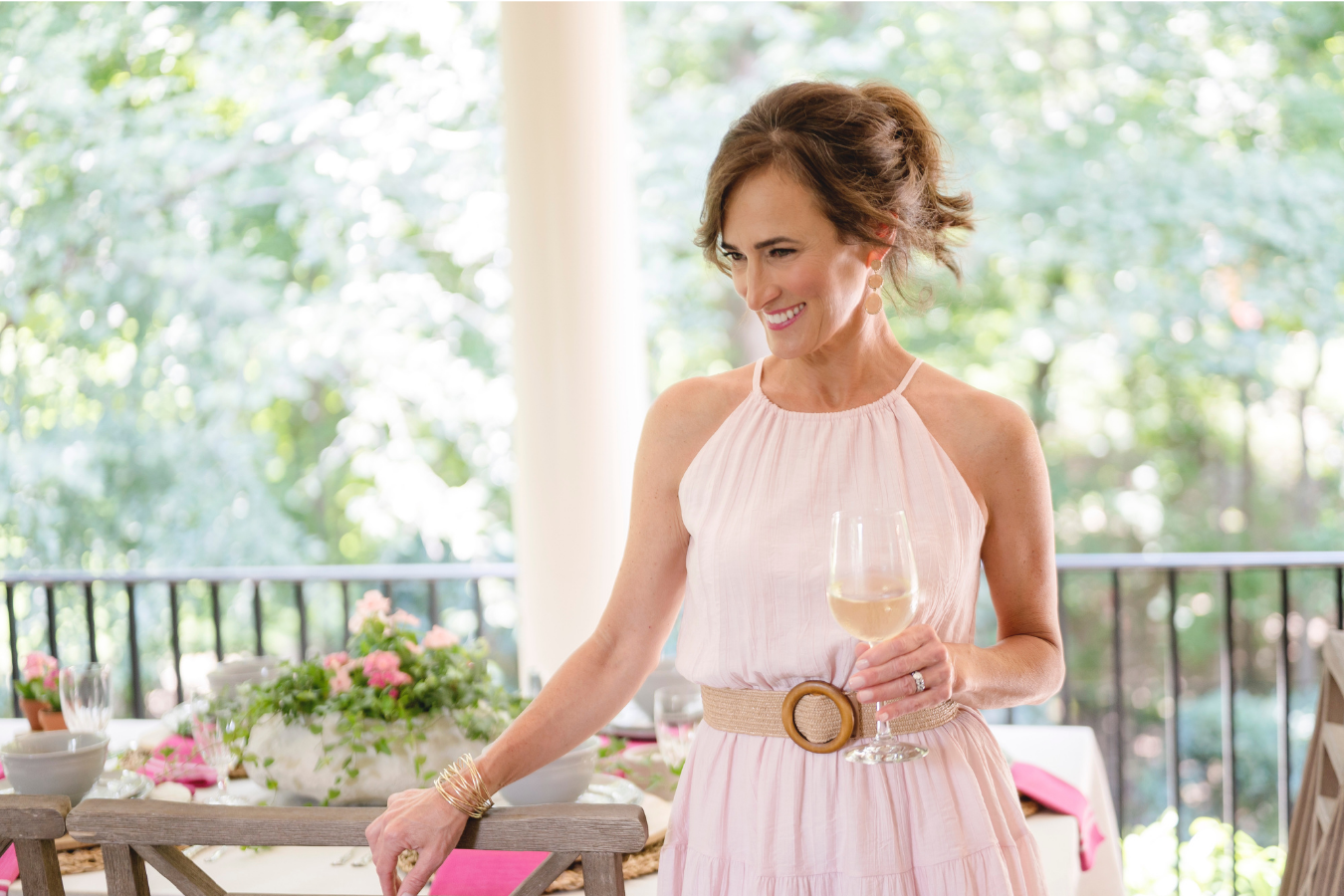
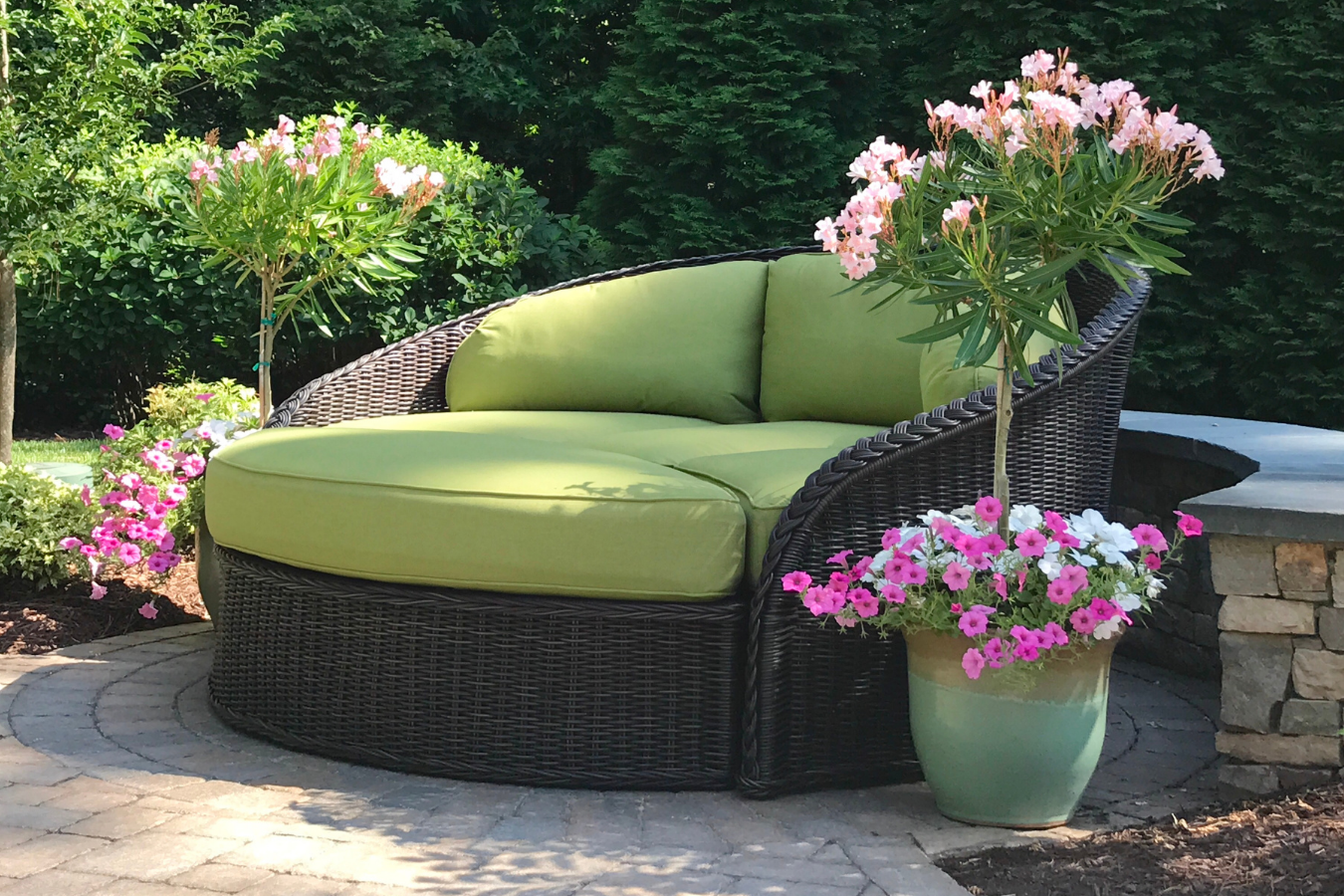
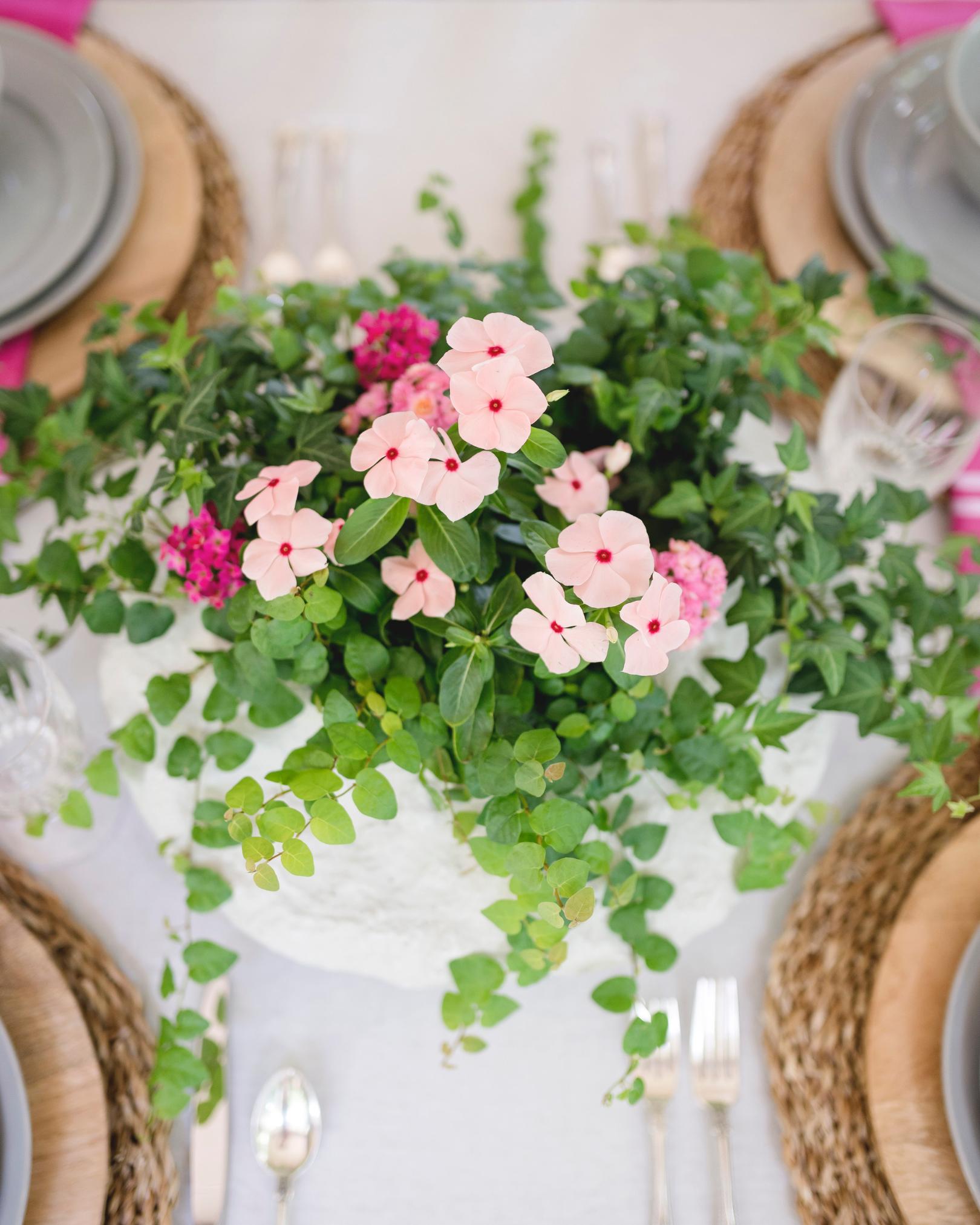
Container gardens play a central role in exterior design, helping define outdoor rooms, soften hard architectural surfaces, and visually connect furniture and decor to the landscape. Even a small grouping of planters, or a low-profile tabletop arrangement, can make a patio or balcony feel more welcoming and complete.
Quick tip: Don’t feel pressured to fill every corner. One or two really beautiful, lush planters can create a meaningful impact.
Trend 2: Productive Plant Choices for Containers

Lil’ Lavender™ Butterfly Bush anchors this pollinator-pleasing patio planter
The concept of purpose-driven gardening is also influencing what we choose to plant in our pots. Containers are increasingly pulling double duty — offering beauty while also supporting pollinators, or even putting food on the table. According to Veranda Magazine, homeowners want plants that “work hard, behave well, and still feel special.”
Try some of my favorite flowers that bloom continuously, providing nectar throughout the season while still fitting seamlessly into ornamental designs:
Gomphrena - Dwarf annual with globe-shaped blooms – a true pollinator magnet!
Lantana - Upright or trailing annual with clustered flowers beloved by pollinators
Salvia - Deer-resistant, upright annual with bold purple flowers that feed hummingbirds, butterflies, and bees
Quick tip: House Beautiful reminds us that pollinators help flowering plants reproduce and thrive. Choosing plants that support pollinators helps encourage biodiversity — and more blooms — in our gardens.
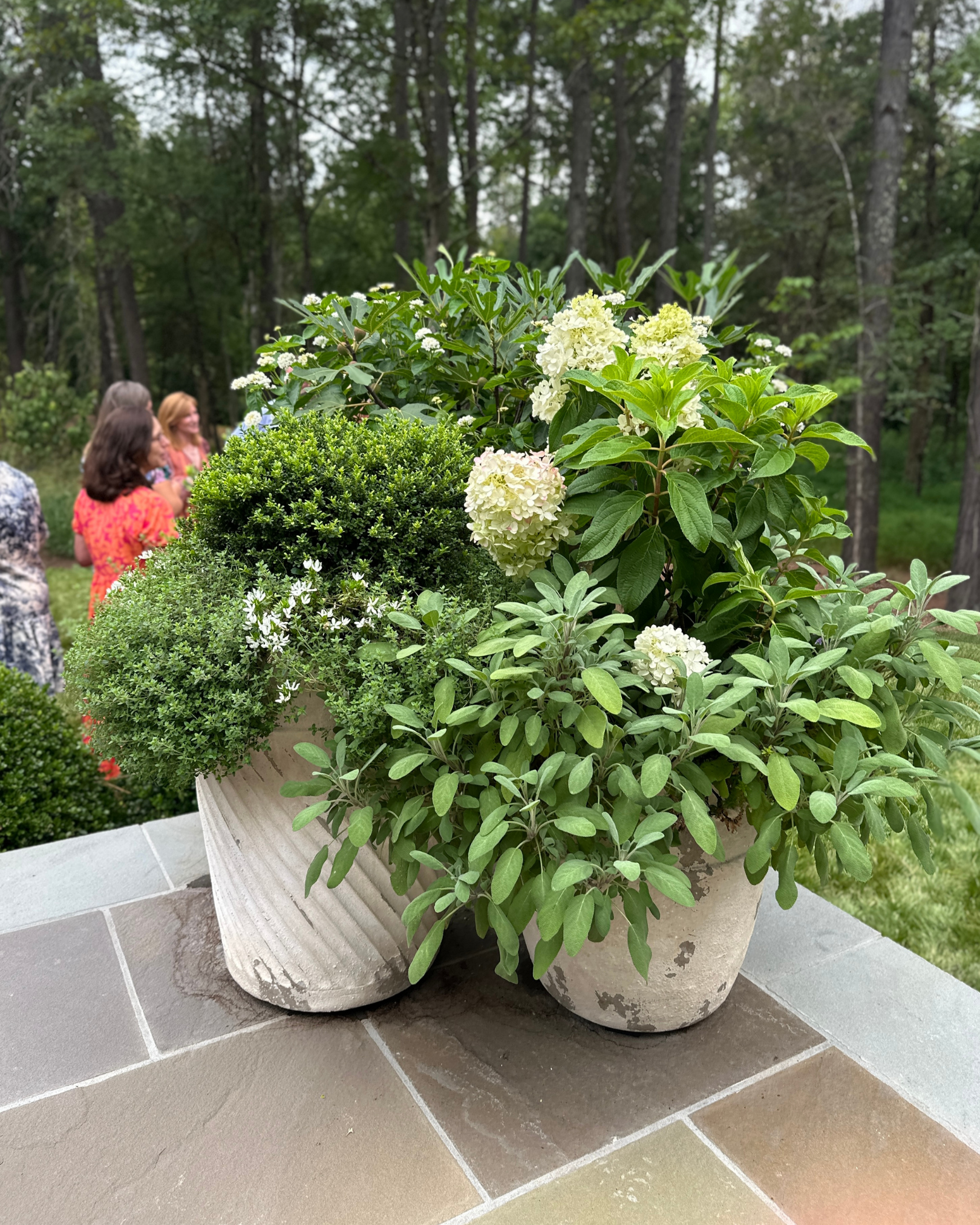
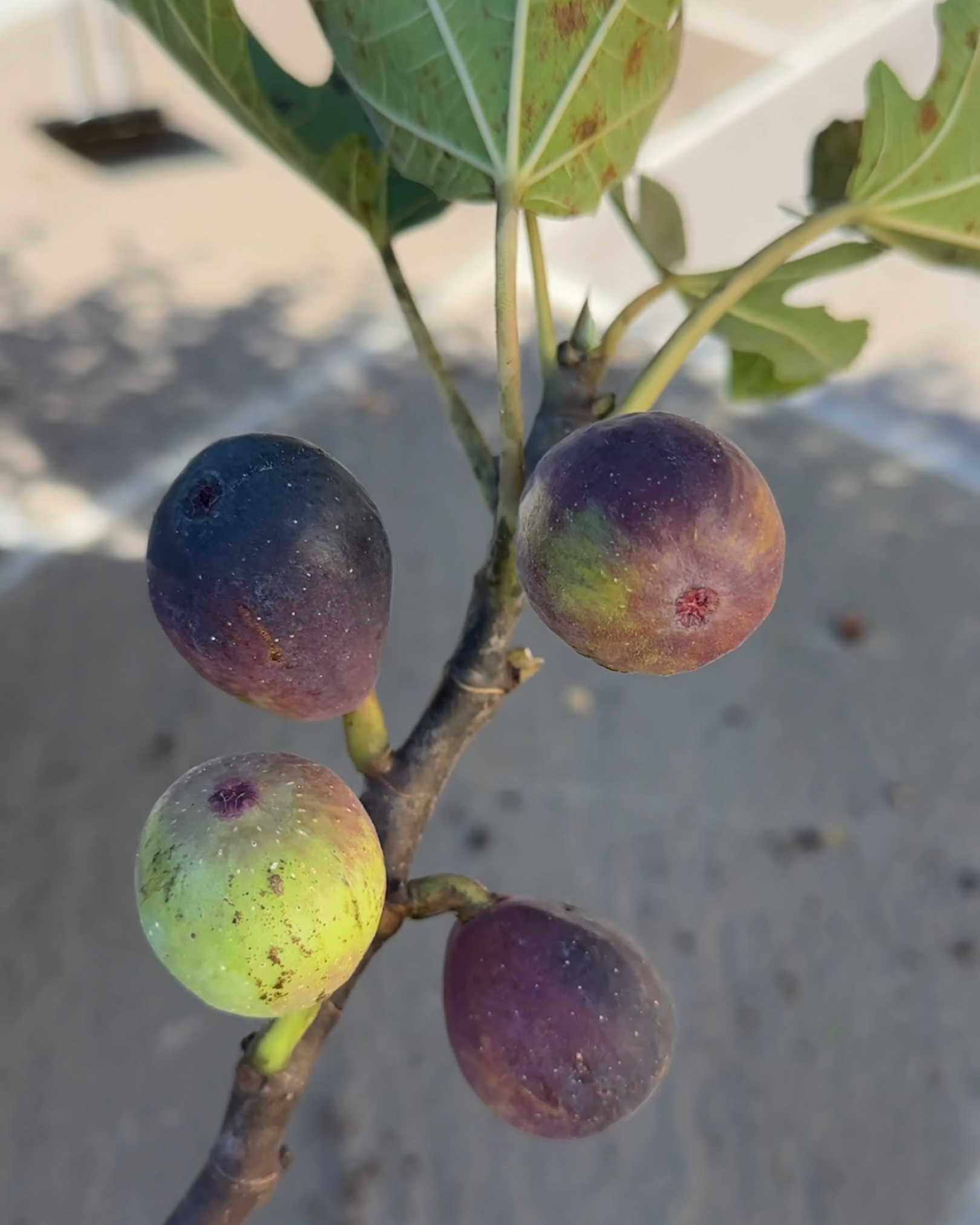
If you want to incorporate edibles into the mix, try some of my favorite herbs and fruiting shrubs, featured in the container gardens for the 2025 Southern Living® Idea House:
DownHome Harvest® ‘Little Miss Figgy’ Dwarf Fig - Compact deciduous tree with large, lobed foliage and succulent fruit
DownHome Harvest® Bless Your Heart® Blueberry - Attractive deciduous shrub with plump summer blueberries
Chef’s Choice® Culinary Rosemary - Fragrant, evergreen herb with needle-like leaves and a meandering branch structure
English Thyme - Fragrant herb with a trailing, bushy form
Green Sage - Semi-evergreen herb with fuzzy, aromatic foliage
Greek Oregano - Edible, perennial herb with soft, mounding foliage
Quick tip: Shop the herb section at your local garden center for some fragrant and tasty fillers and spillers.
Trend 3: Low-Input Container Gardens Save Time and Effort
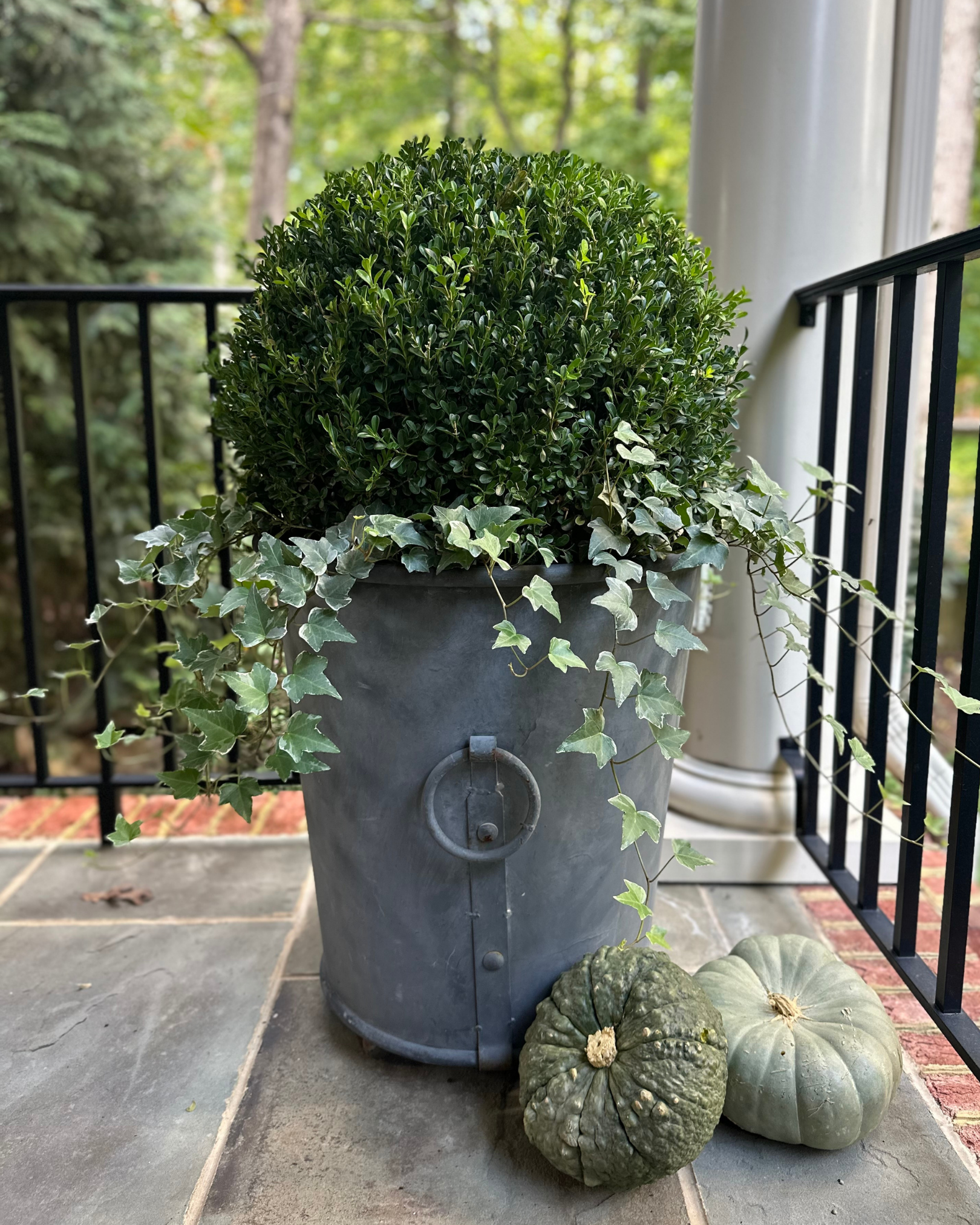
Life is busy, but that doesn’t mean we don’t want to step outside and enjoy our gardens. One of the clearest shifts for 2026 is toward container gardens that feel easier to live with all season — or all year — long. The goal isn’t to do less, but to make smarter choices from the start so containers look good longer and demand less attention.
Low-input container gardens start with simplified designs, either one-plant pots or containers built around evergreen foundations.
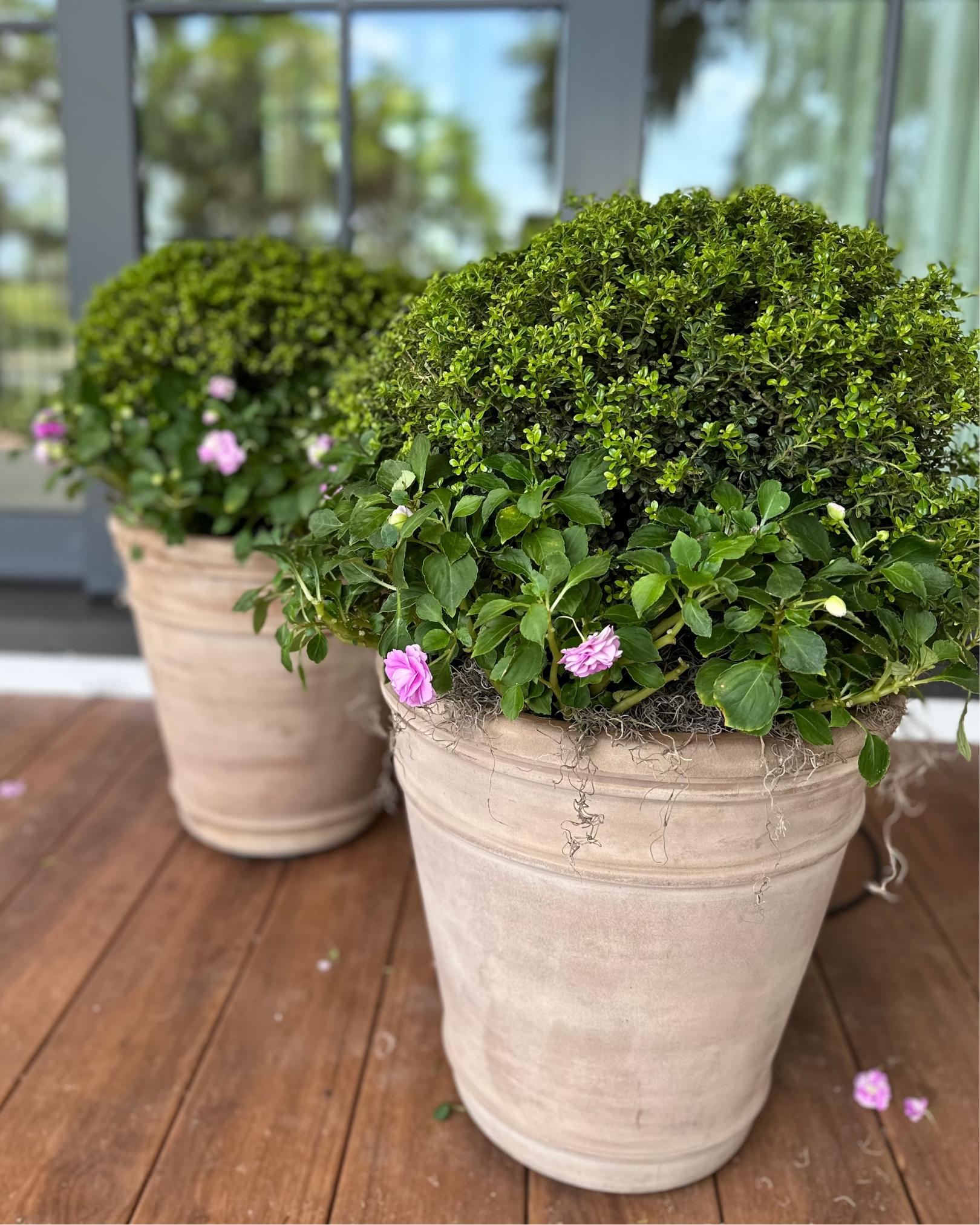
One-plant pots are having a moment, and for good reason. A single, strong specimen planted in a well-proportioned container can be just as impactful as a mixed arrangement, with far less maintenance. Plants like Boxwood, Monstera, and Ferns bring structure and presence to pots, and once placed in the right light and watered consistently, they largely take care of themselves.
Another smart, low-input approach is using evergreens as the foundation of container gardens and window boxes, then rotating annuals around them as the seasons change. This creates continuity throughout the year while still allowing for fresh color when you’re ready for a change.
Quick tip: Choose specimen plants or evergreens that fill the container visually from the start. A low-input container should look complete the day it’s planted.
COLOR STORIES SHAPING CONTAINER GARDENS IN 2026
This year’s color trends feel muted at first glance, but they’re anything but boring. Gentle neutrals anchor the palette, creating container gardens that feel calm and are easier to live with over time. Saturated jewel tones add richness and drama, but in supporting roles.


Trend 4: Pastel Flowers for Serene Container Garden Designs
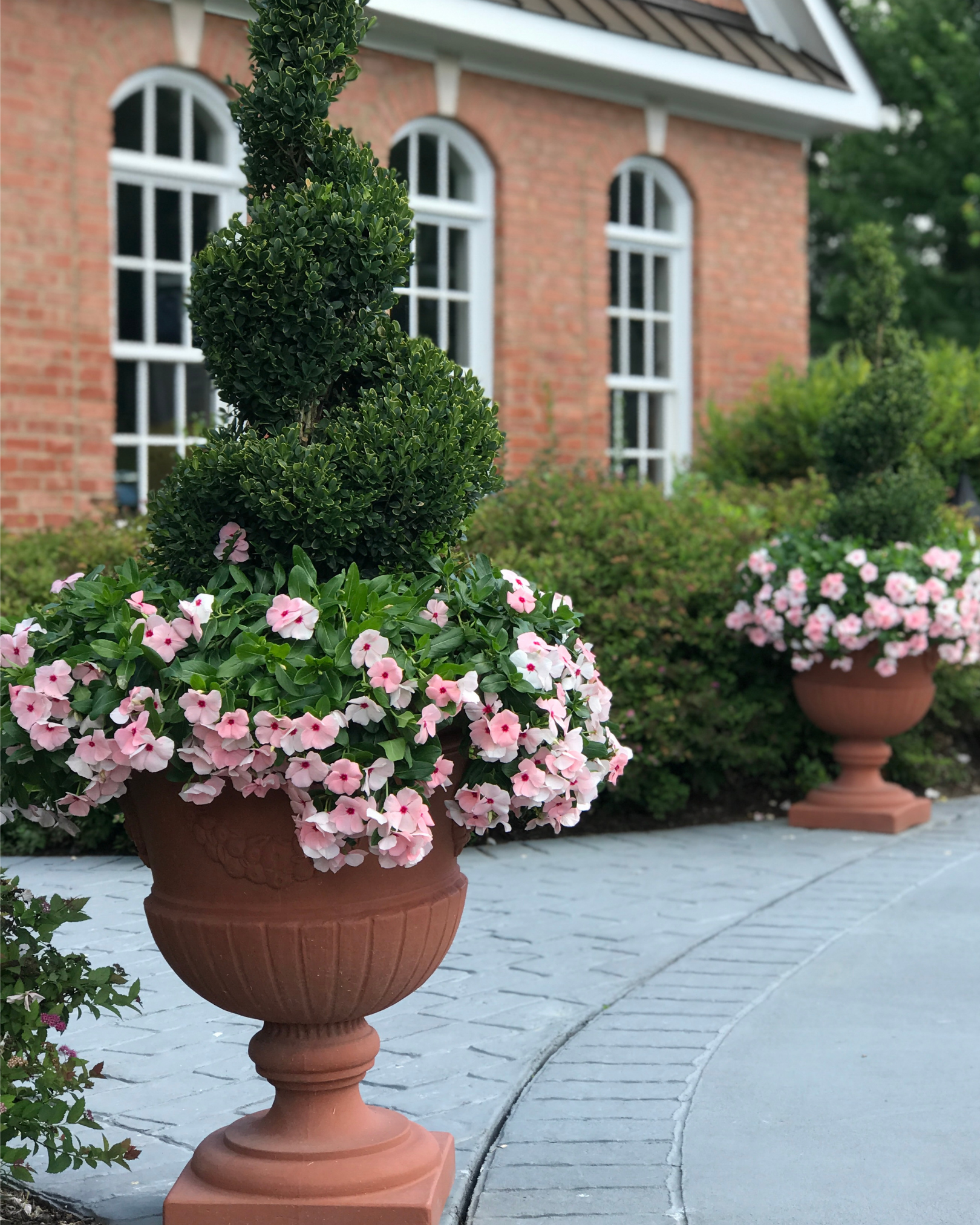
‘Apricot’ Mediterranean Vinca + Spiral Boxwood Topiary
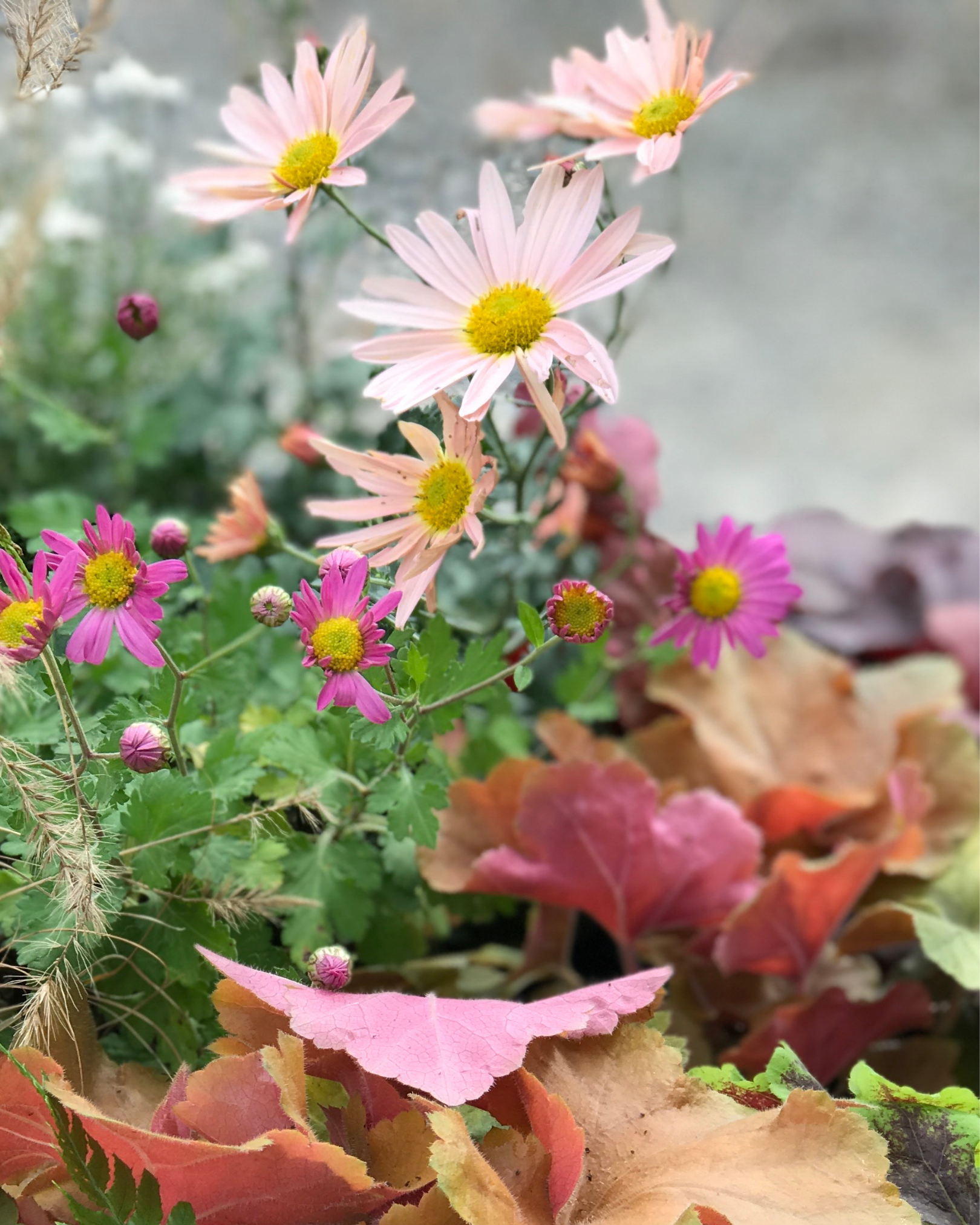
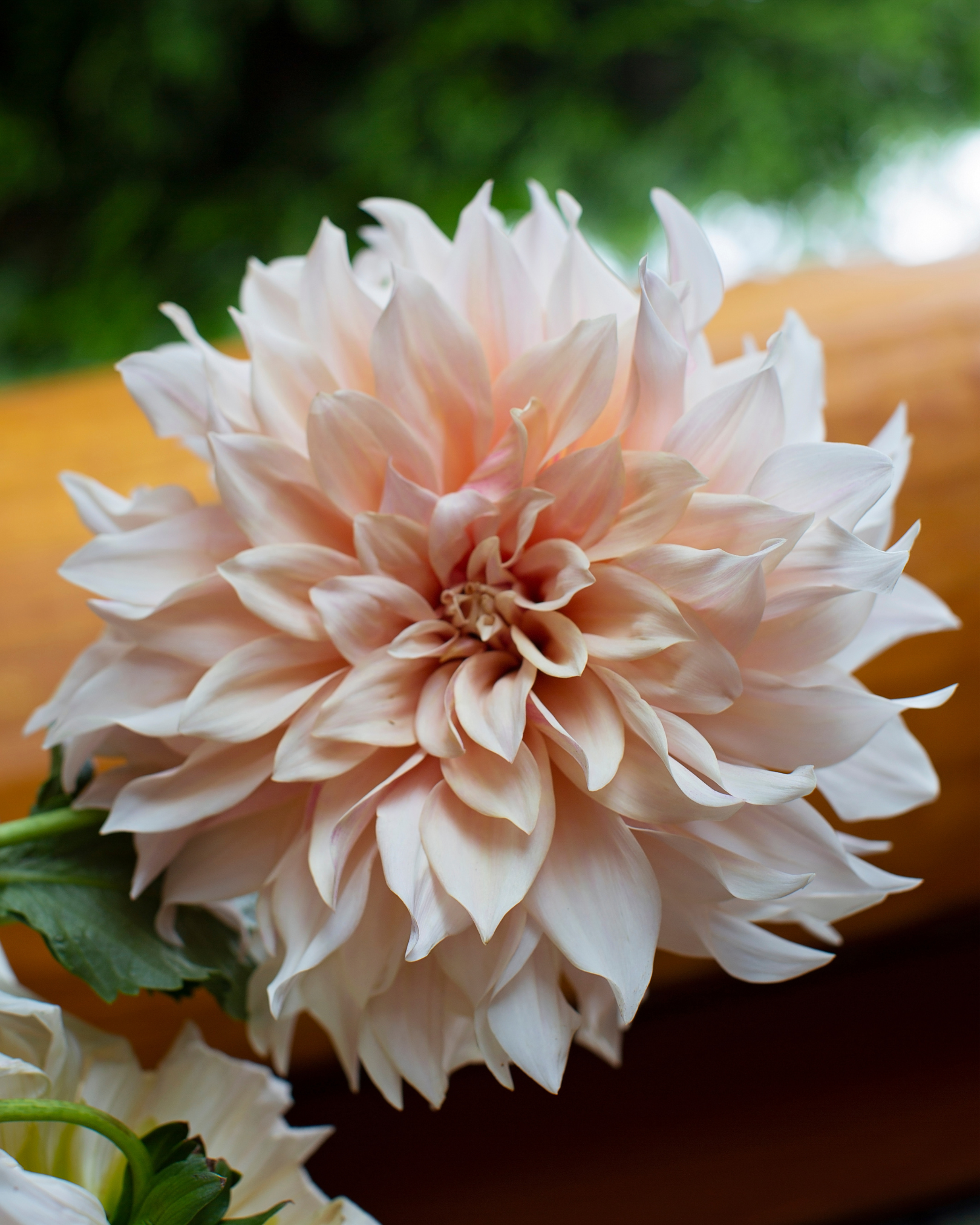
Watch for more warm pastels showing up in 2026 gardens, especially in flowering plants. Soft peach, blush, and barely-there pinks create container gardens that feel calm, welcoming, and quietly romantic.
Some of my favorite pastel blooms for containers include:
‘Blush Pink’ Compact SunPatiens® - upright, sun-tolerant, low-maintenance bedding plant
‘Apricot’ Mediterranean Vinca - trailing peach blooms that like their soil on the dry side
‘Hillside Sheffield Pink’ Chrysanthemum - the perfect peachy pink perennial mum that can be difficult to find, but so worth it
‘October Magic® Dawn™’ Camellia - evergreen shrub with large rose-like flowers in the palest pink
These plants bring bloom power and warmth without demanding attention, making a subtle impression rather than a bold statement.
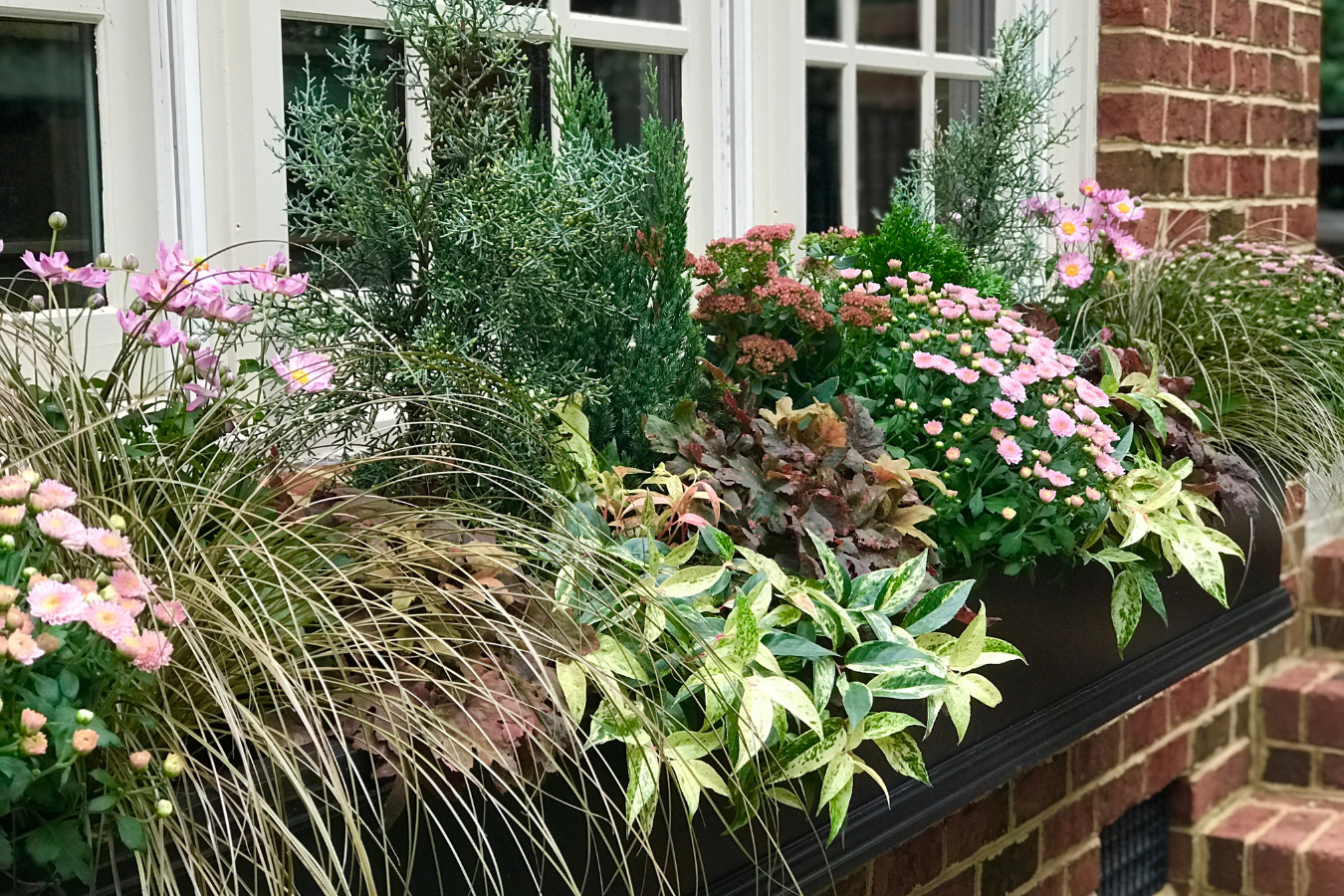
Quick tip: Pastel flowers look their best when allowed to repeat. Using two or three plants in a similar shade - like these Belgian Mums and Anemone — creates a calmer, more cohesive container than mixing too many colors at once.
Trend 5: Creamy White Blooms Brighten and Blend Mixed Containers
There’s been some debate (and more than a little side-eye) around Pantone’s choice of “Cloud Dancer” as color of the year. But I’m not mad about this off-white choice. I gravitate toward green-and-white containers every year anyway.
White plays an important supporting role in this year’s soft, neutral palette, acting as a palate cleanser that brightens containers and helps connect different elements within an arrangement.
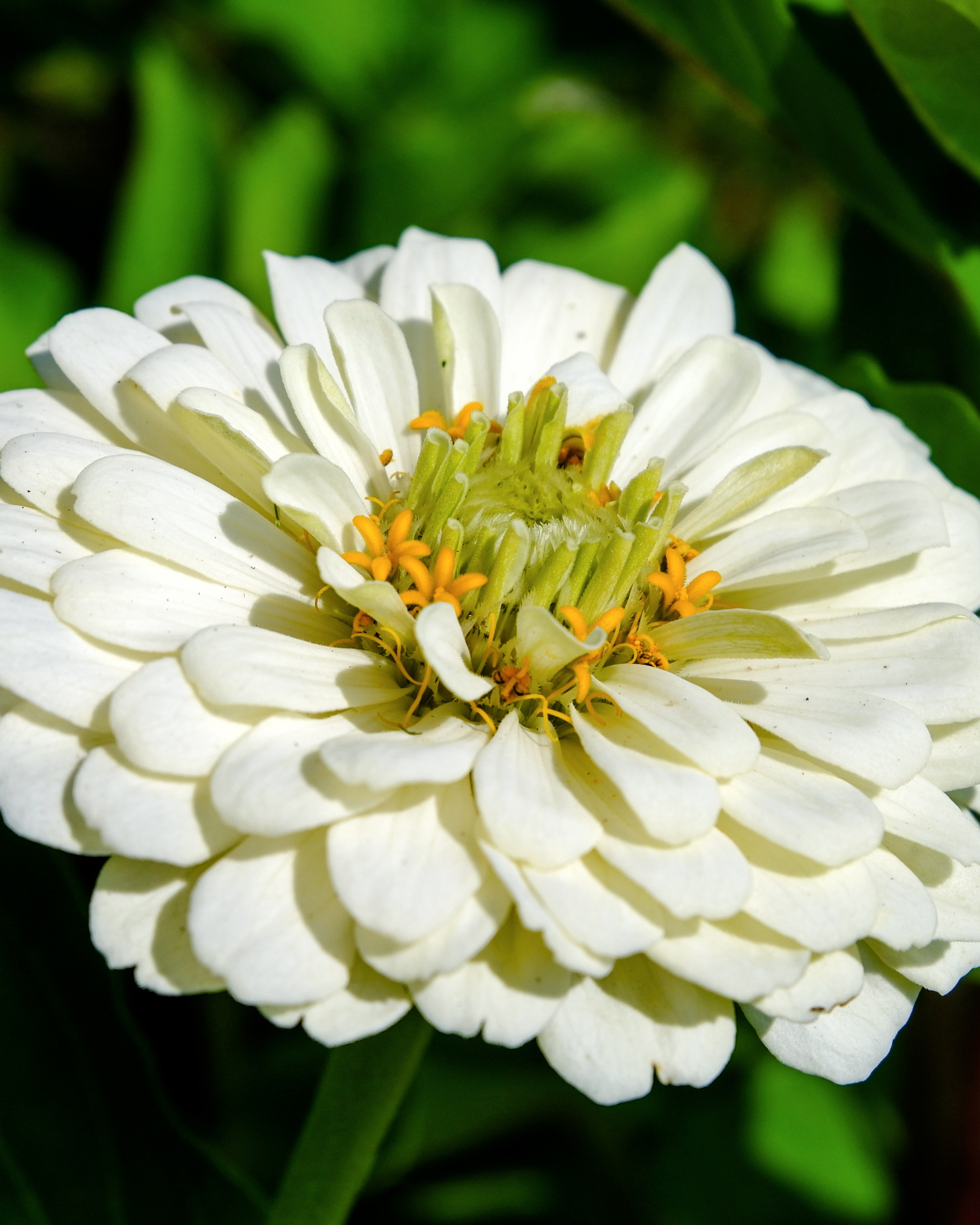
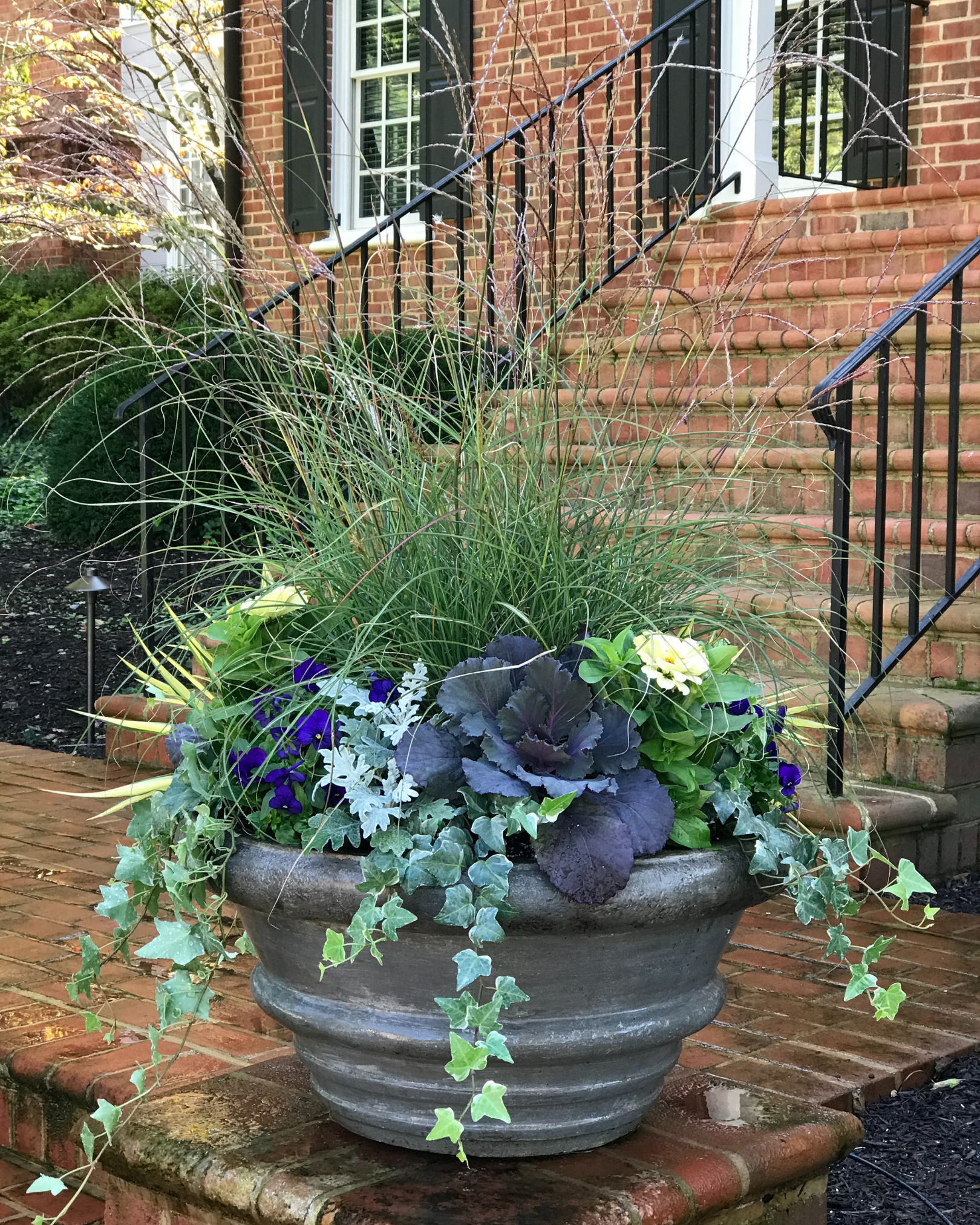
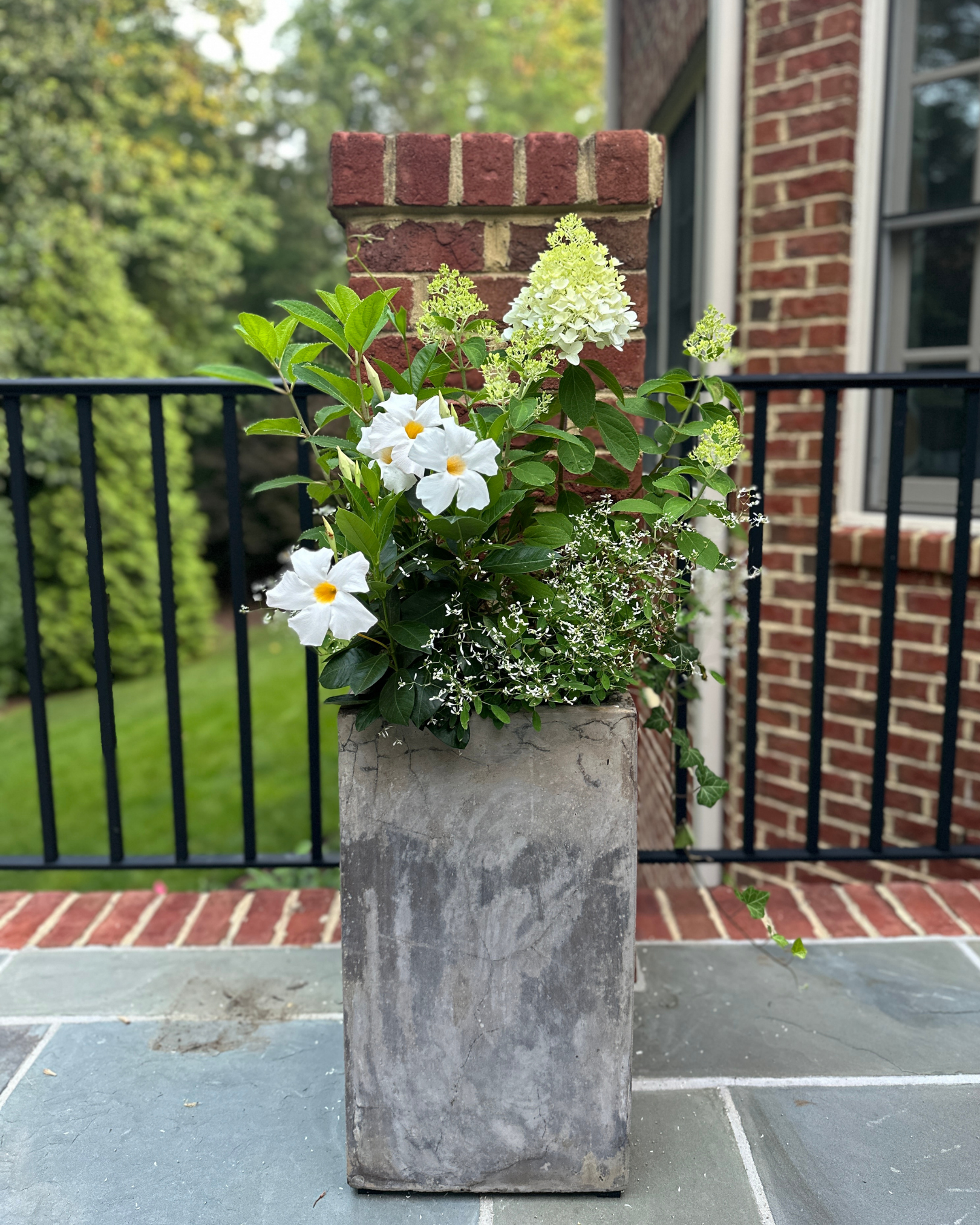
If you’re drawn to this look and want to incorporate more white flowers into your containers, it helps to think about the role you need each plant to play:
For a showy, long-term planting: White Wedding® Hydrangea from the Southern Living® Plant Collection. These shrubs can live in a large container spring through fall, then move to the garden. The panicle flowers start lime green, then mature to a creamy white, then age back to lime green again.
For a smaller-scale, annual option: Magellan Zinnia in Ivory. This happy flower with layers of cream petals works beautifully in sunny summer and early fall containers.
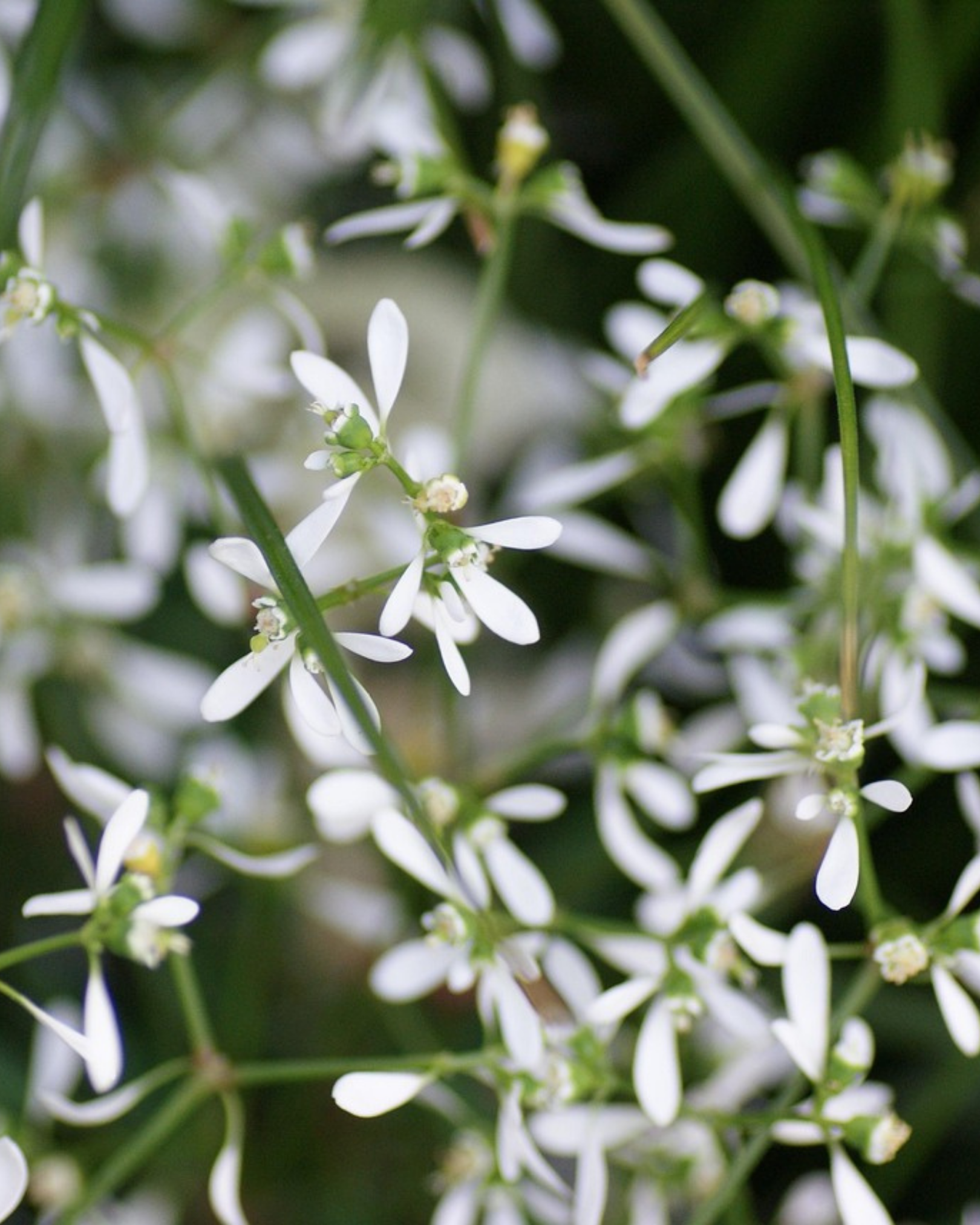
For an airy, functional accent: Diamond Snow® Euphorbia. It softens edges, fills gaps, and acts almost like an airbrush, blending other colors together.
Quick tip: For the softest look when mixing white with this season’s pastels, choose flowers or variegated foliage in creamy white or ivory, as opposed to stark white.
Trend 6: Embrace Neutral Containers as a Blank Canvas
If you’ve followed my work for a while, you know I rely heavily on neutral, earth-toned planters. So naturally I feel strongly that this year’s soft, feminine neutrals aren’t just for plants. Planters in unglazed or antique terra cotta, aged stone, or limestone finishes blend easily with exterior materials like brick, stucco, bluestone, and wood. They also bring warmth to outdoor spaces in a way cooler neutrals, like gray, often don’t. Perhaps most importantly, they allow the plants to take center stage.
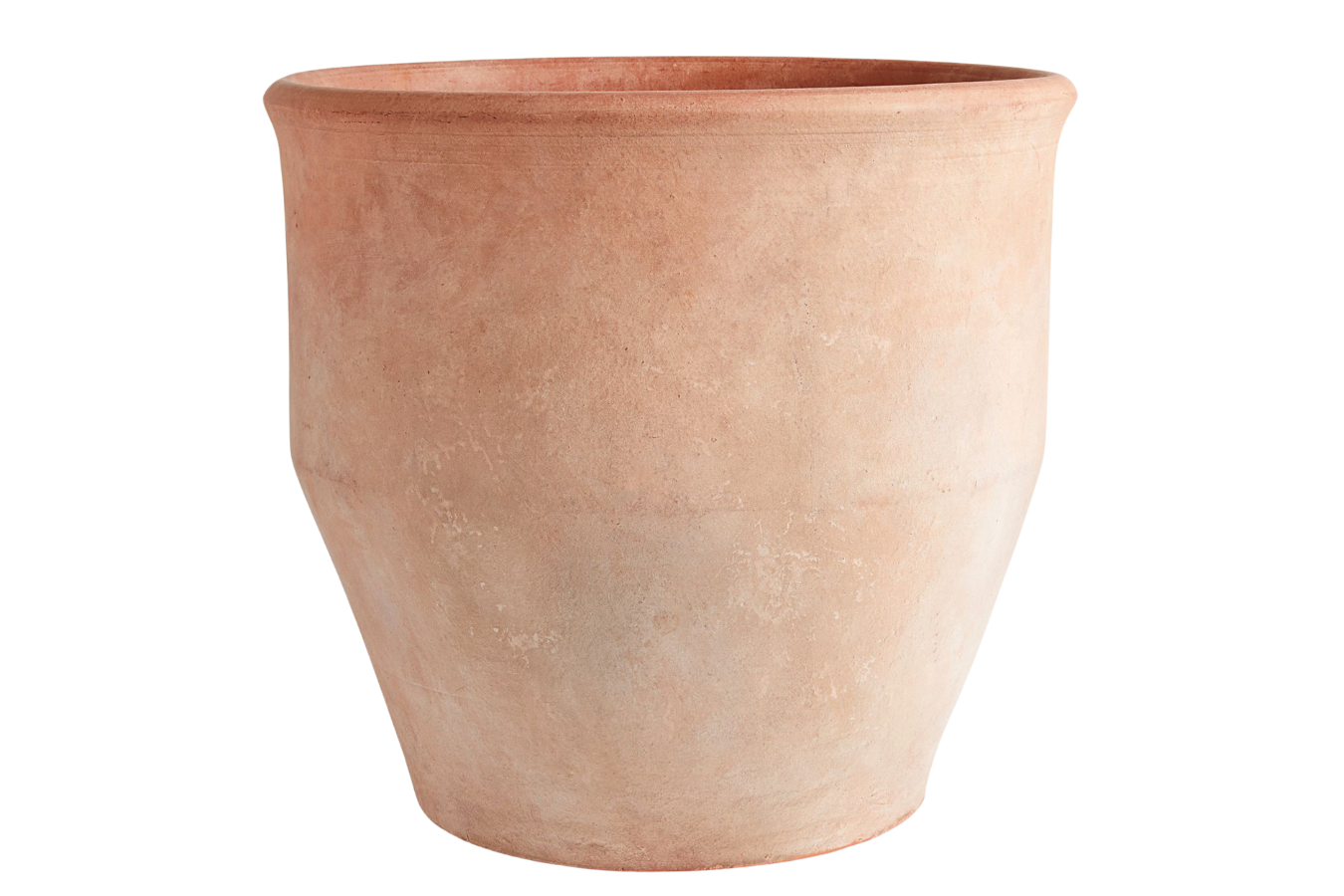
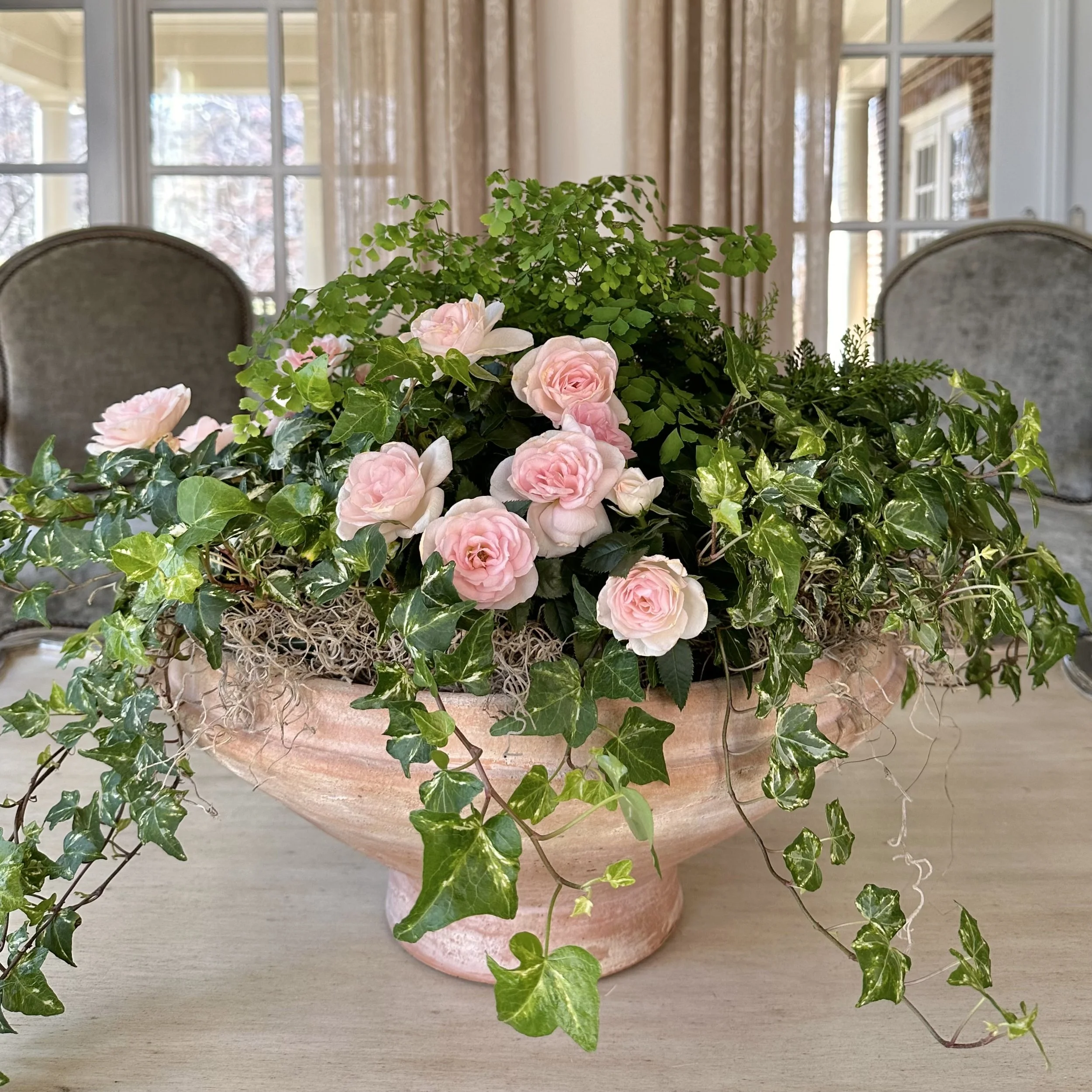
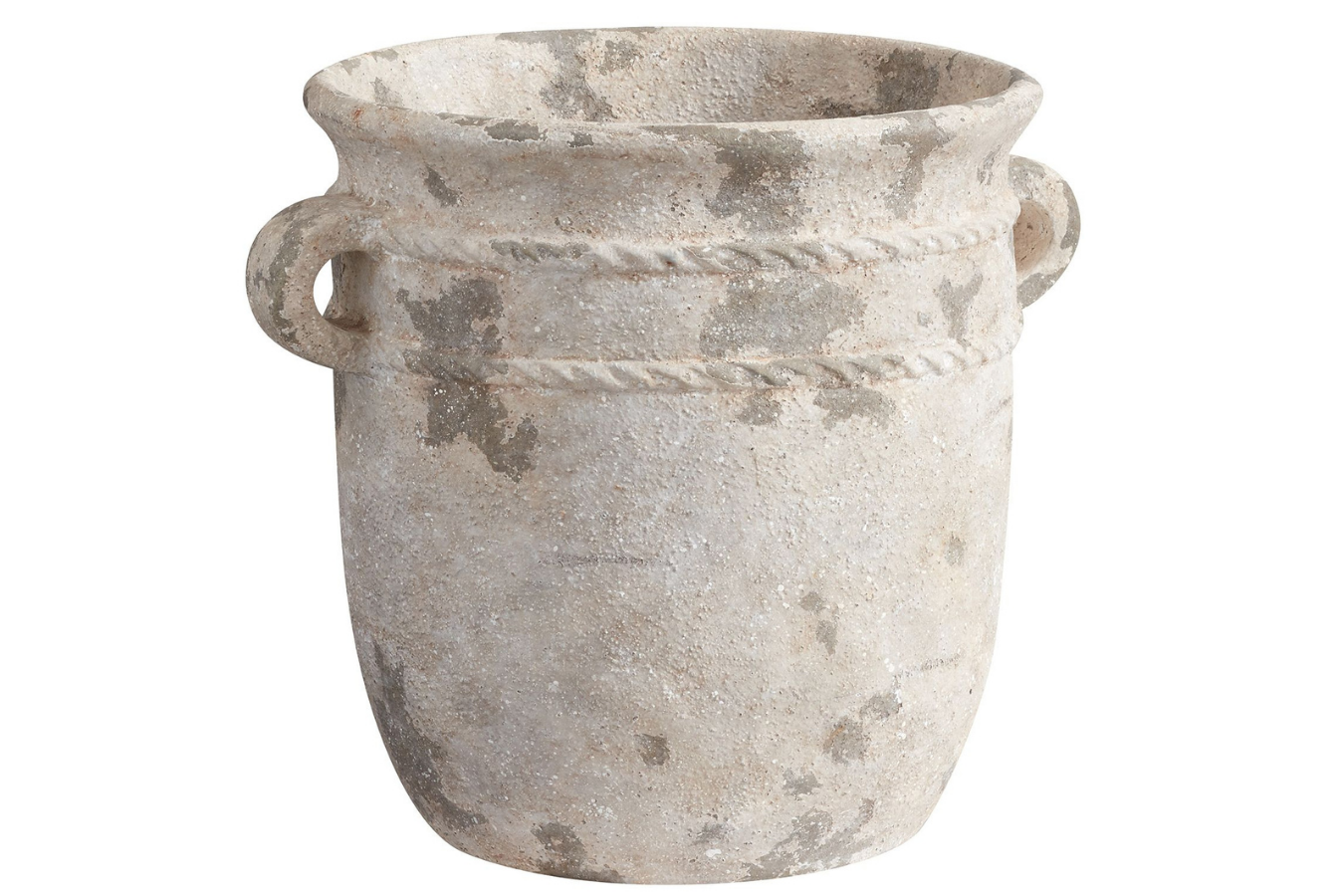
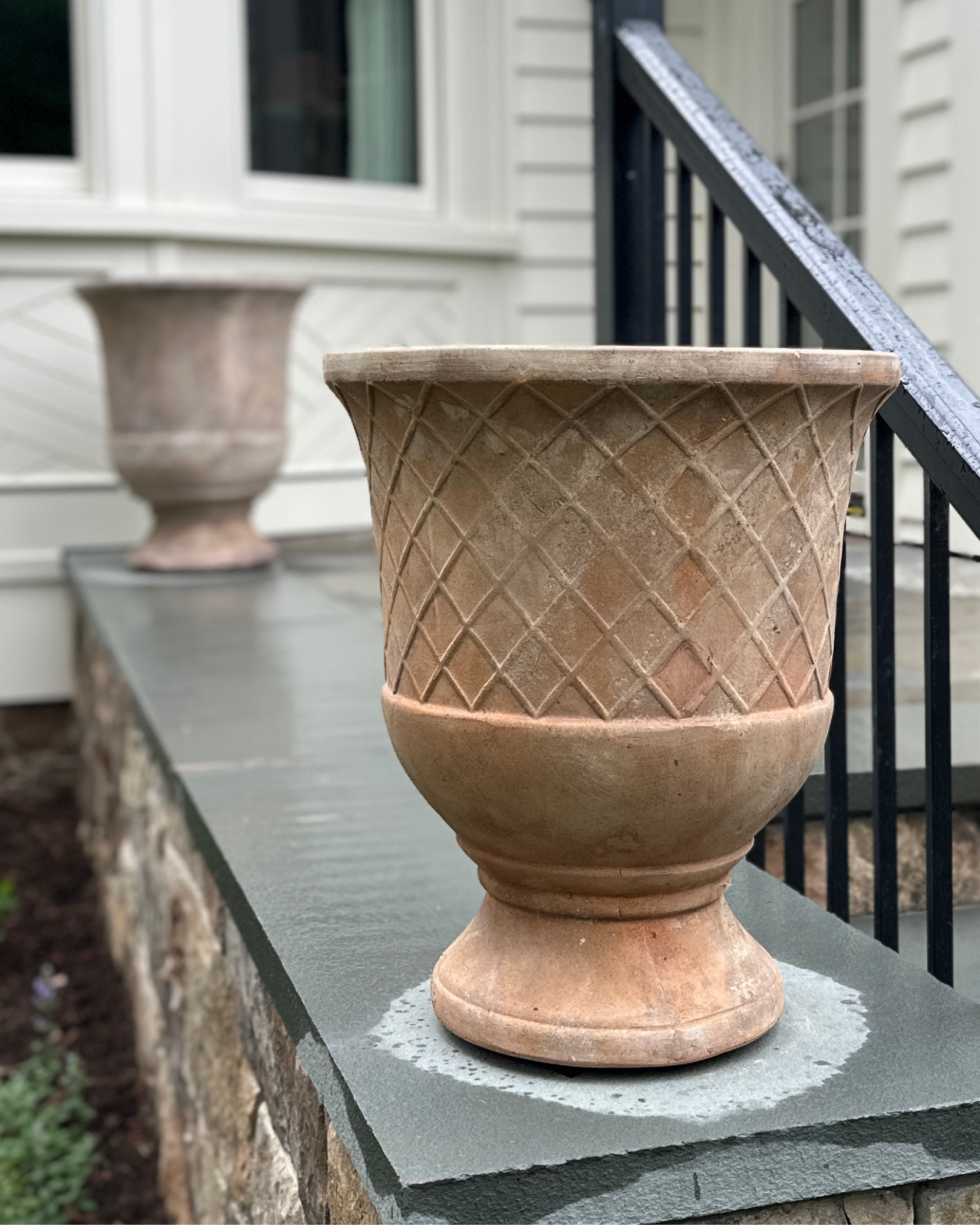
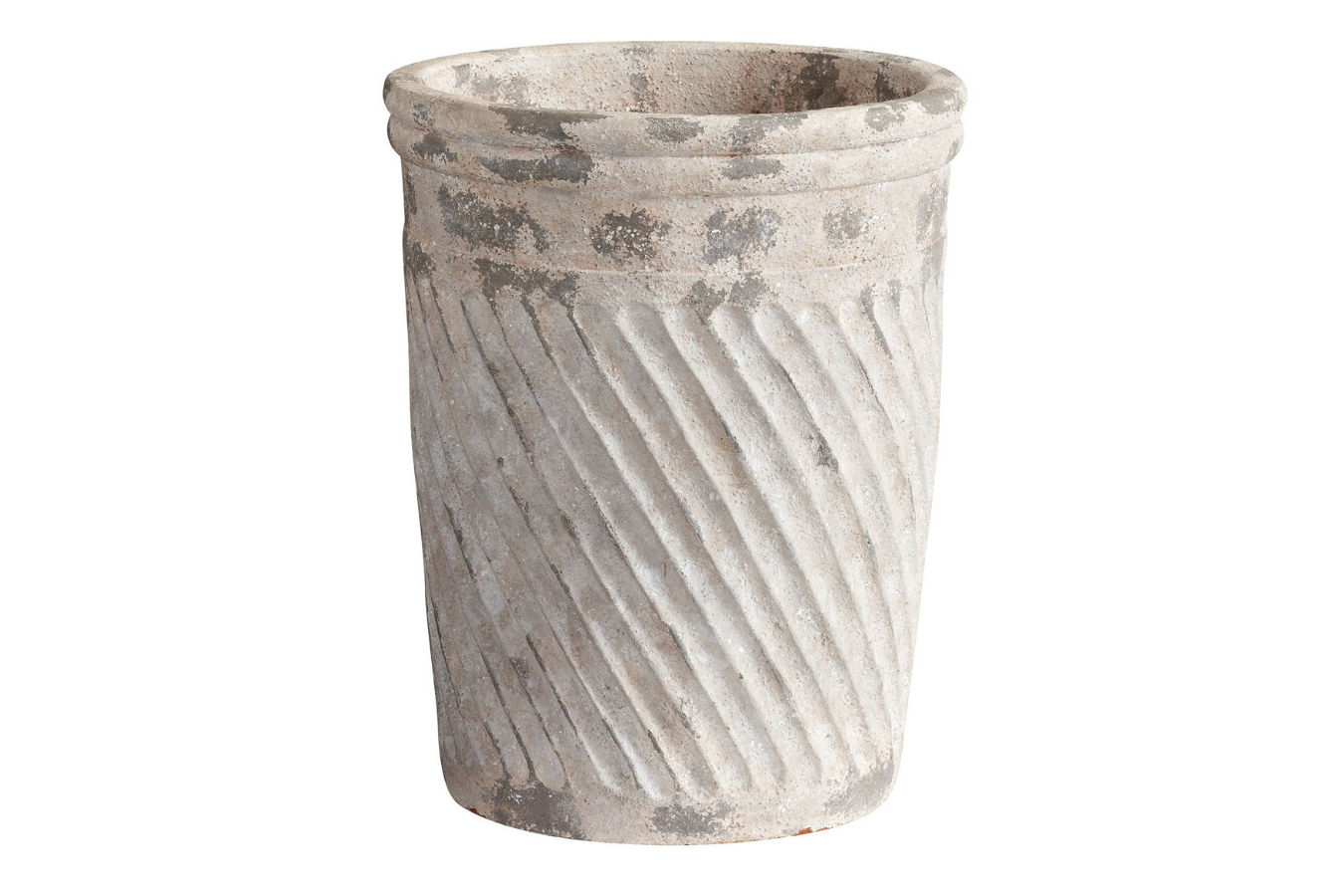
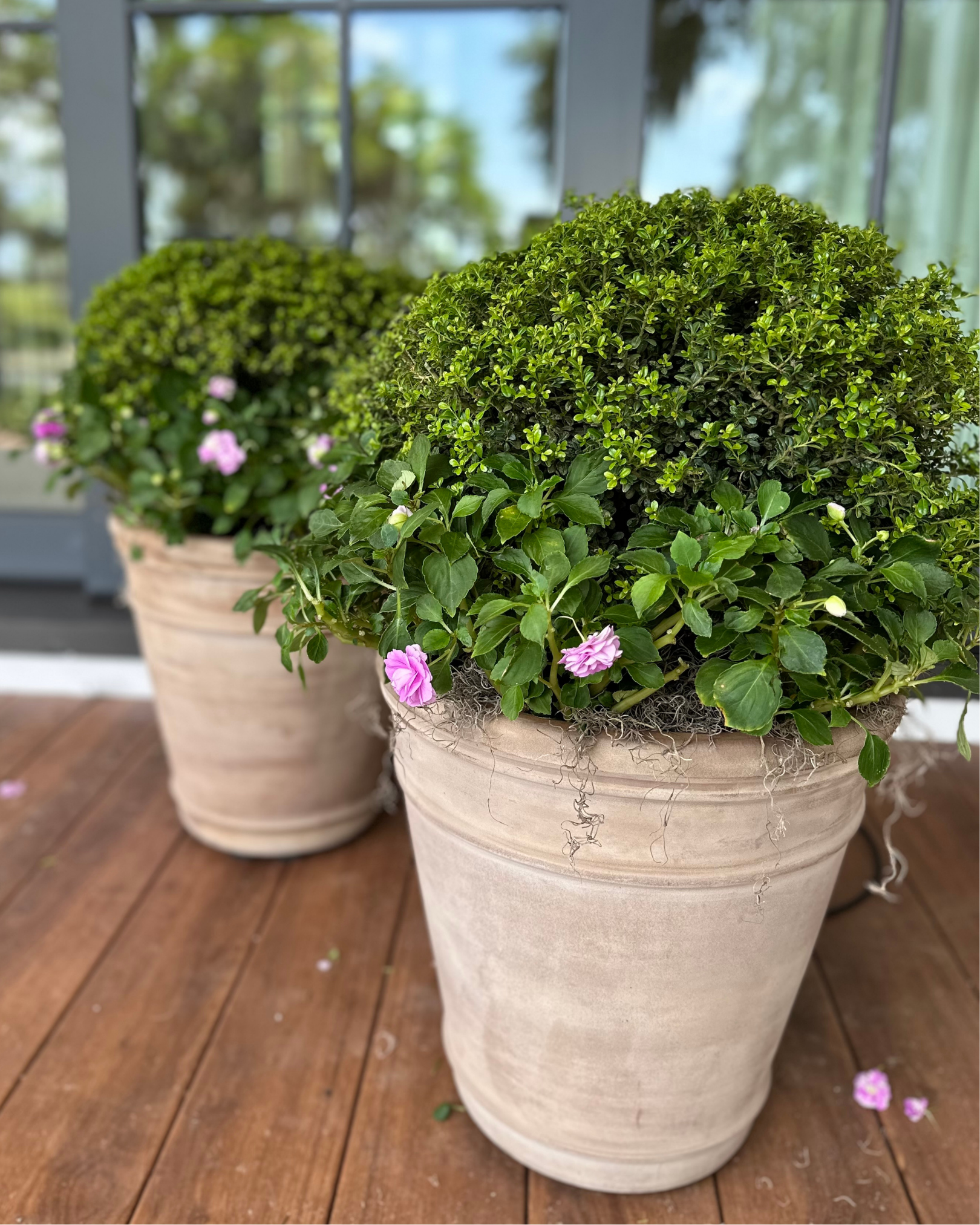
Sit a lush Majesty Palm or a densely mounded Mini Touch™ Holly in an unglazed terra cotta vase this summer and you’ll see what I mean.
Quick tip: Muted, neutral planters carry less visual weight than bold or dark-colored pots, which often means you can size up. A larger neutral container can support fuller, more impactful plantings without feeling overwhelming.
Trend 7: Jewel Tones Bring Sophistication and Depth to Container Gardens
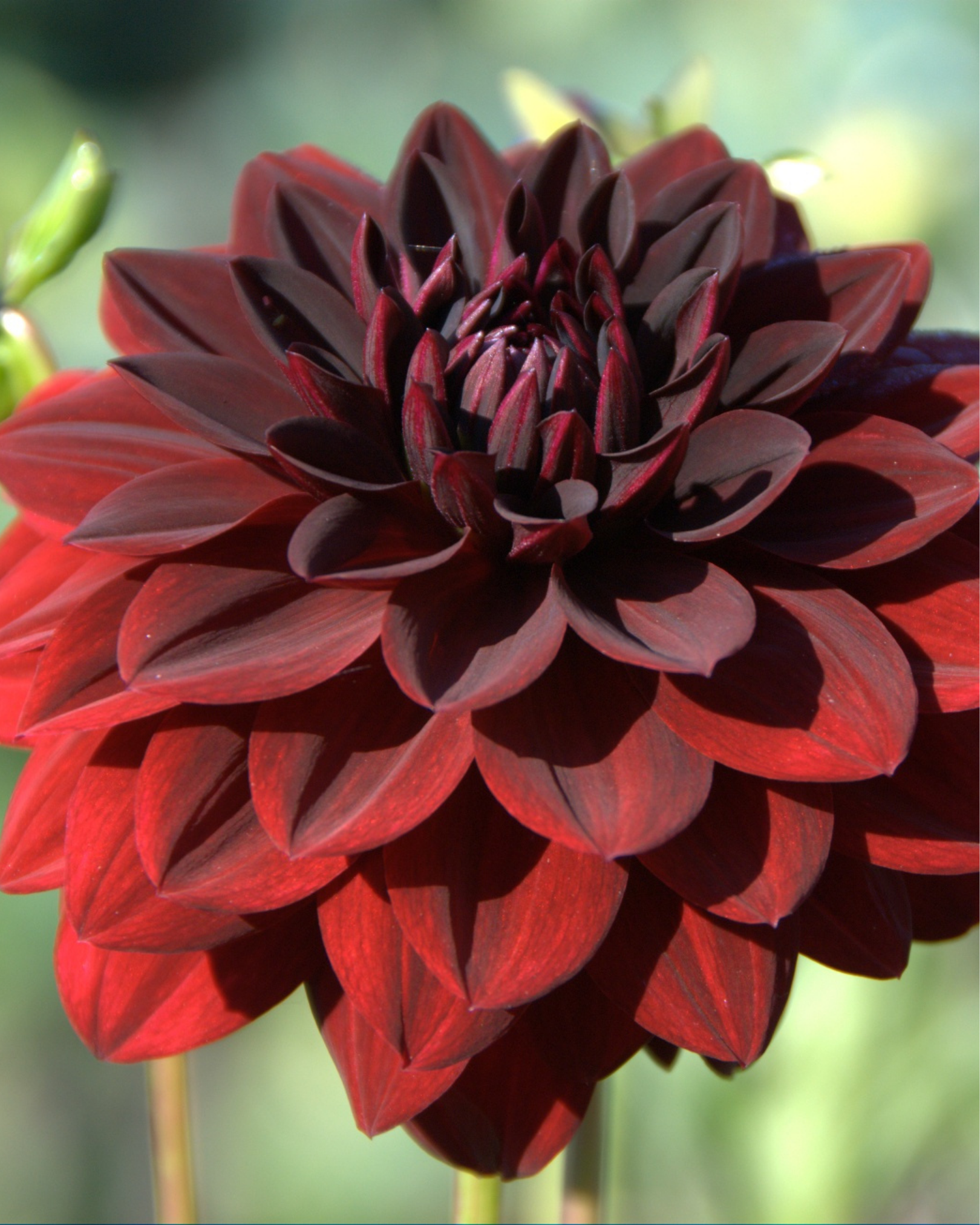
Color lovers, don’t despair! Jewel tones are where the 2026 color story really comes to life. Deep burgundy, plum, eggplant, and emerald green bring richness and drama to container gardens. Rather than relying on sharp contrast, these colors pair well with other colors in the same family. The result feels cohesive and refined, and allows a single richly colored plant to lead the entire arrangement.
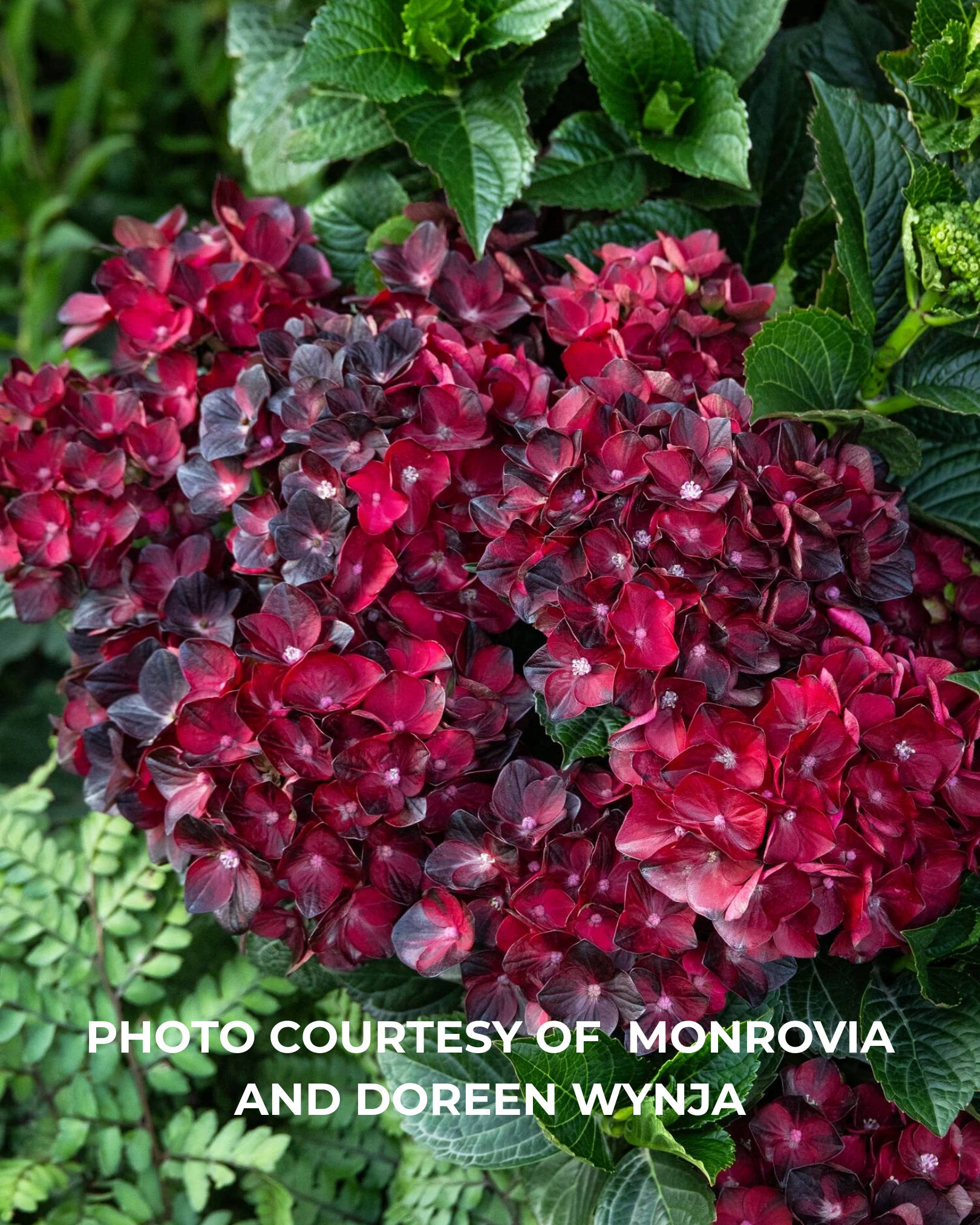
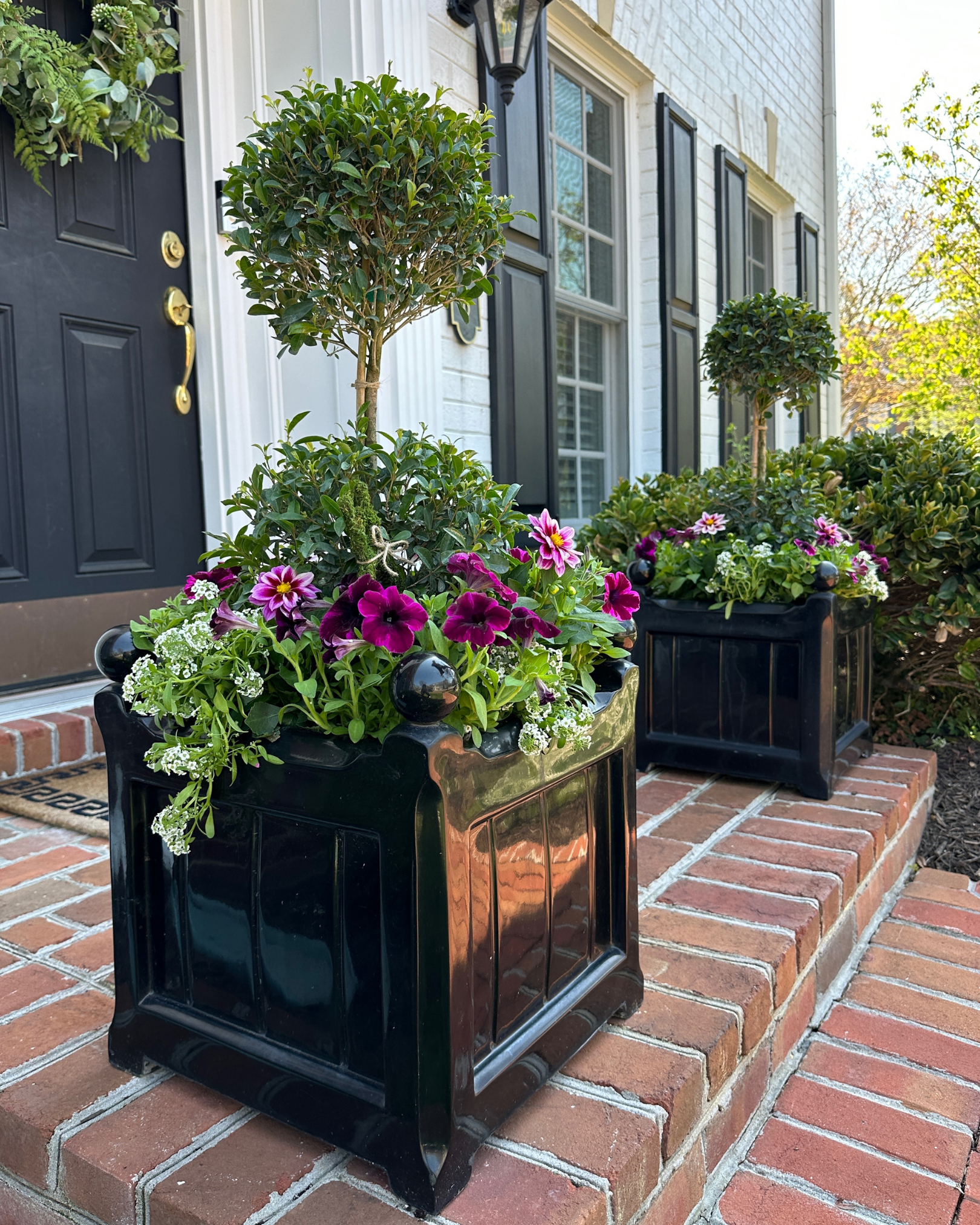
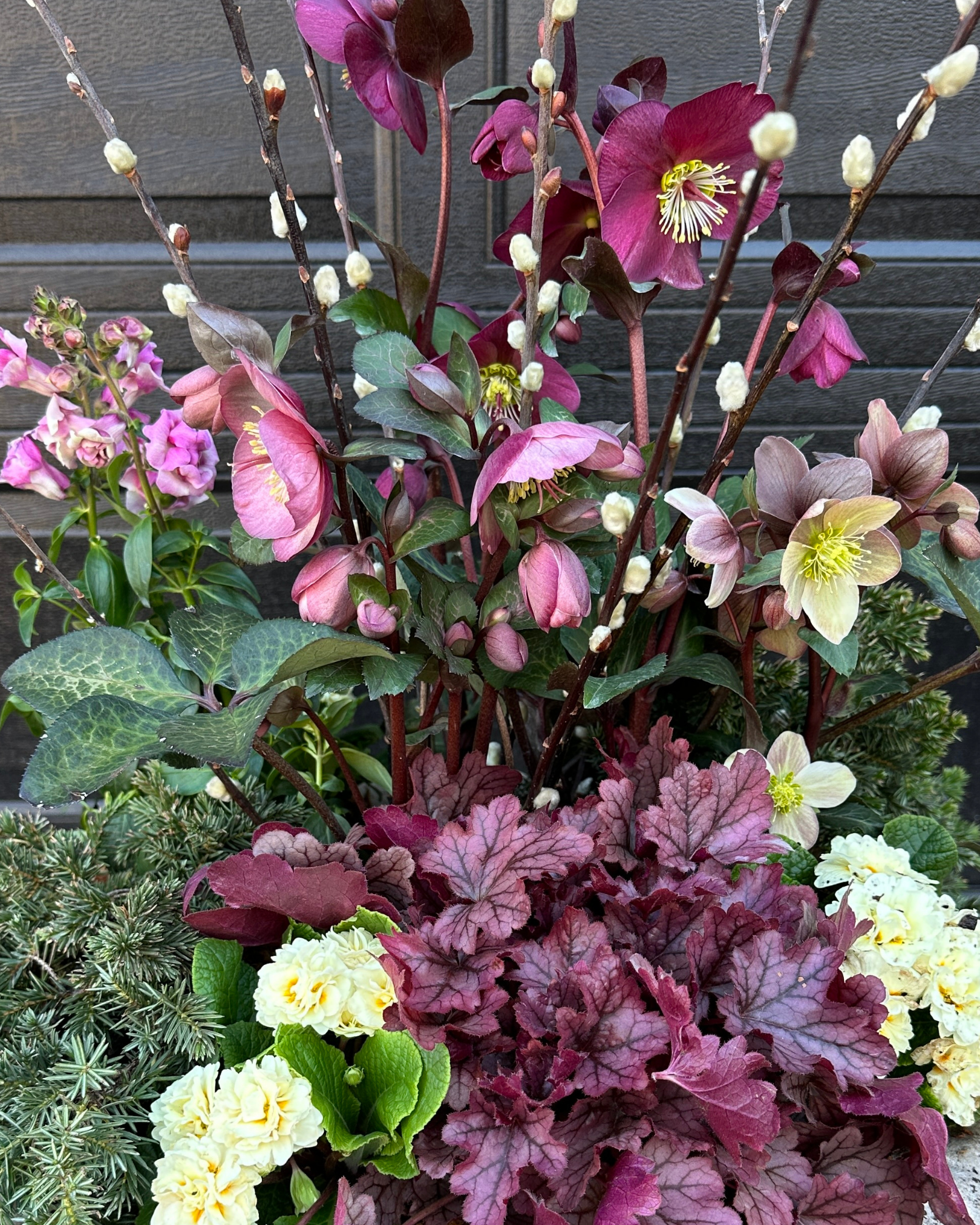
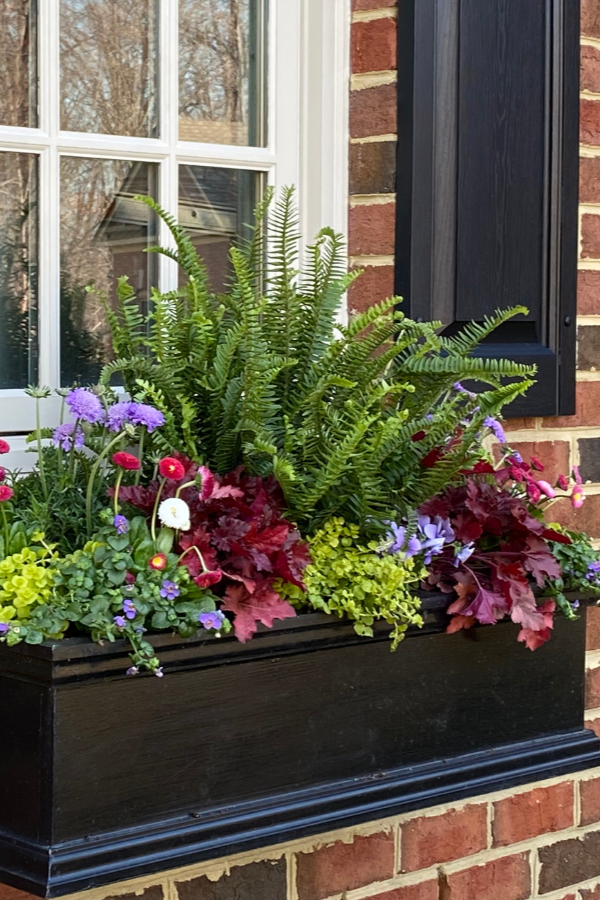
Flower colors that evolve through the seasons. One of the most interesting ways to work with jewel tones is to choose plants whose color deepens or shifts as the season progresses. This adds visual interest without requiring constant replanting.
Hydrangeas and hellebores are two standout examples for containers. Their blooms begin lighter, then mature into deeper, moodier shades.
Keep an eye out for Centennial Ruby™ Hydrangea, a new introduction from Monrovia® this year. This shade-loving macrophylla starts with ruby-red mophead blooms in spring, then transitions to burgundy and nearly purple-black tones by fall. It’s an ideal candidate for a simplified container planting that delivers months of color.
Quick tip: Plants that deepen or shift in color over time add variety to containers without requiring replanting.
Emerald green foliage provides structure. Rich green foliage plants can stand on their own in containers, or serve as a strong backdrop in mixed containers. They’re especially stunning when paired with jewel-toned flowers or foliage.
Some of my favorite deep green plants for containers include:
Chinese Fan Palms for height, structure, and durability, with broad fronds that create a generous swath of lush green
Boxwood for long-term structure and texture, especially in entryway containers where neatness matters
Camellias for glossy evergreen foliage and the bonus of cold-weather blooms
Juniper Topiaries for deep green, cold-hardy texture and style
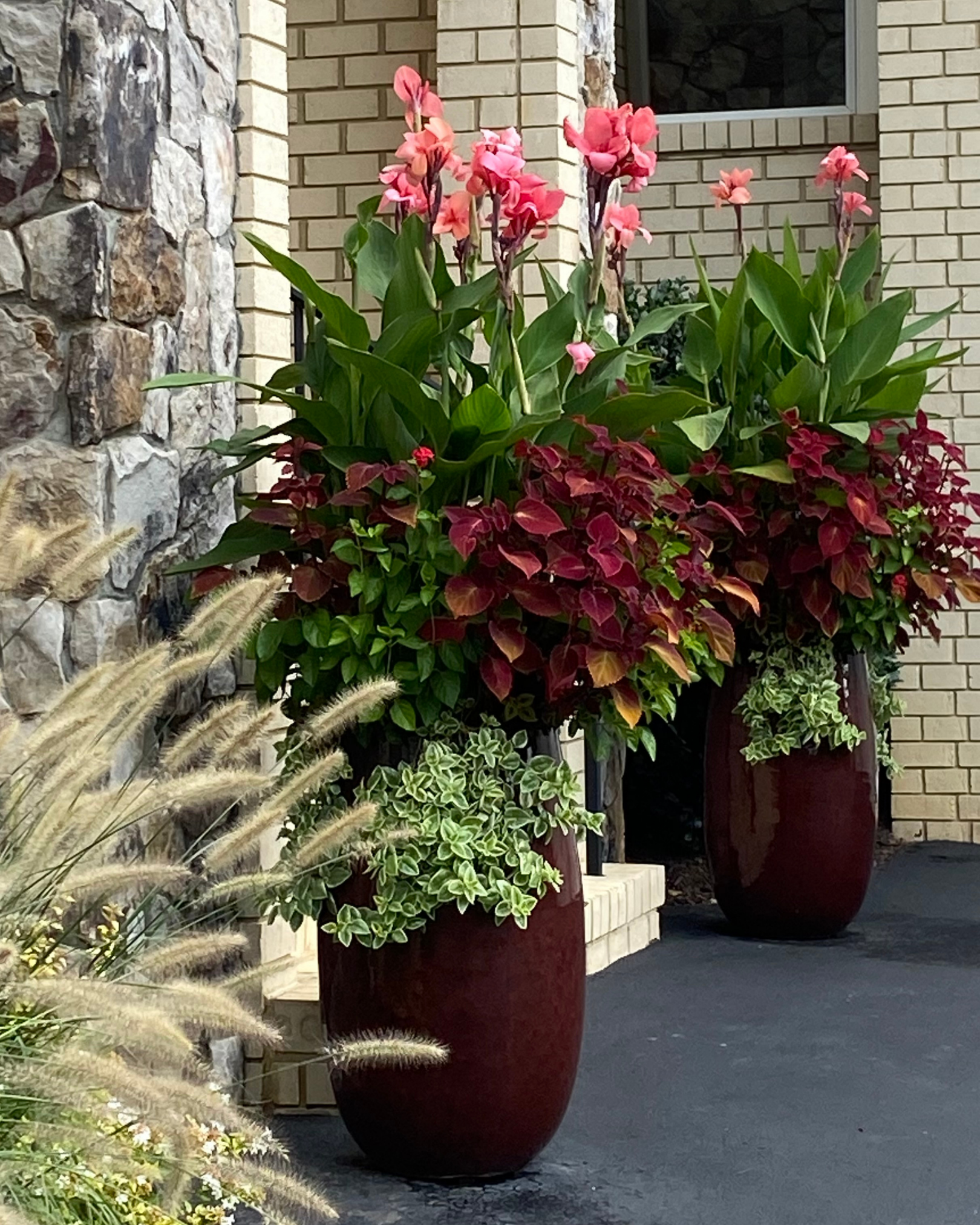
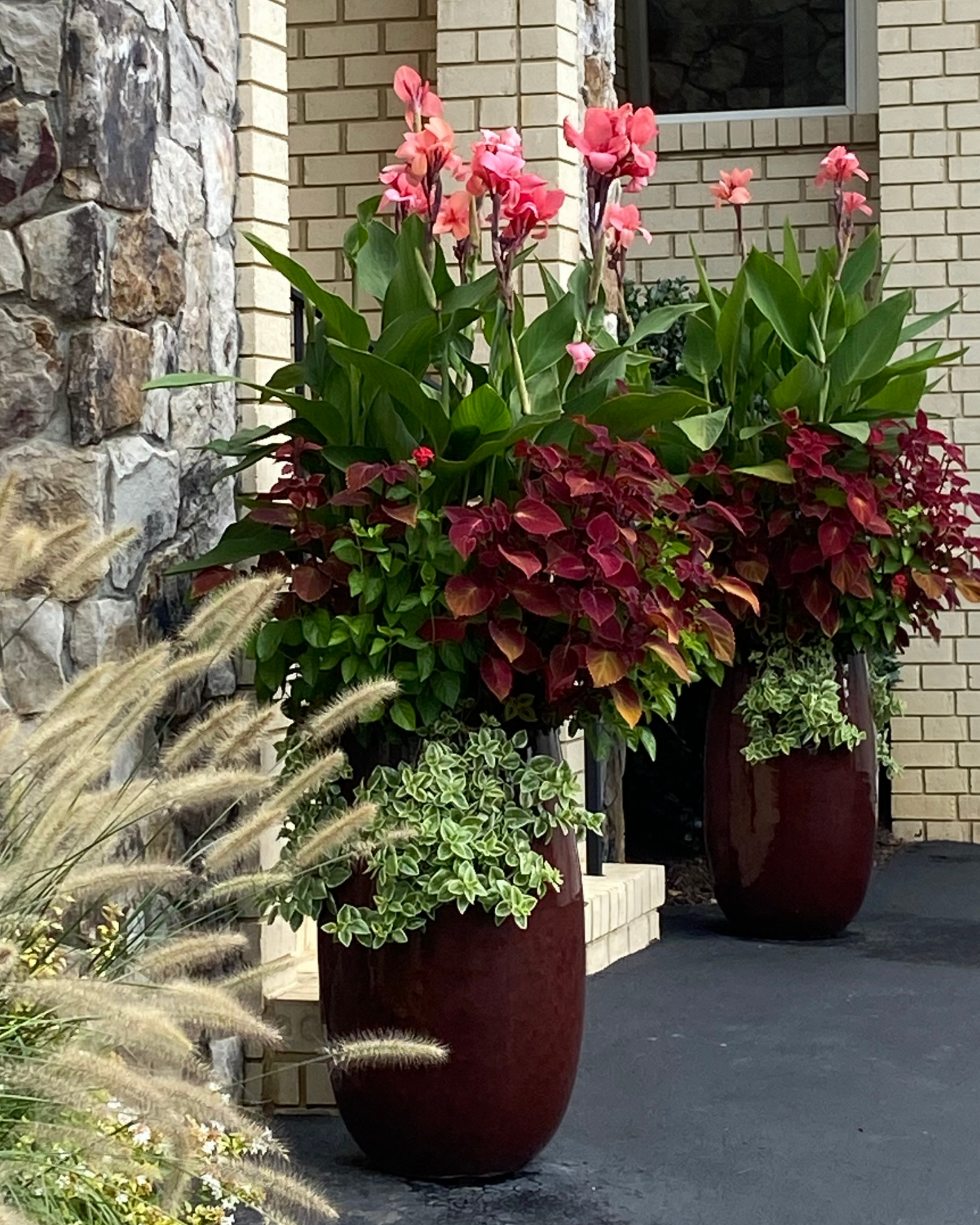
‘Ruby Slipper’ Coleus repeats the wine color of these glazed planters and the throats of the Canna Lilies
Jewel-toned foliage to repeat bloom colors. To add depth without overwhelming a container, layer in foliage with subtle jewel tones that complement your blooms, rather than relying only on adding more flowers.
I return again and again to Heuchera varieties in plum and berry shades, such as ‘Plum Pudding,’ ‘Fire Alarm,’ and ‘Berry Smoothie.’ Their perennial foliage adds richness at the base of containers and holds its color through the seasons.
Coleus (a summer annual) is also on repeat in my summer containers because of its colorful, velvety leaves that stand out next to greenery and provide a vibrant backdrop for flowers. Some of my favorites are purply-black ‘Dark Star’ and deep red ‘Ruby Slipper’.
Quick tip: Jewel tones can get very dark and moody. To lighten things up, use a planter in a light neutral, and consider adding a delicate textural plant – like Diamond Snow® Euphorbia.

FREE Guide!
Spring Container Color Guide: Spring Color Palettes & the Plants to Create Them
Get my favorite color palettes and plant combinations for Spring containers!
LOOKING AHEAD
As you plan for the year ahead, I hope these trends serve as an invitation to try what excites you, simplify where it makes sense, and let your containers reflect how you want to live outdoors.
It doesn’t take much. A great container can make a space more inviting and make stepping outside feel like an exhale. The best ones are always personal, practical, and worth the effort.
Here’s to a year of container gardens that make you want to linger a little longer.
Warmly,
Steph
PS: To compare these 2026 container gardening trends with 2025, check out last year’s trends roundup HERE.

Master the basics of container gardening in 90 minutes!
THE ULTIMATE GUIDE TO
CONTAINER GARDENING
Sources:
“Top 2026 Garden Trends | Monrovia’s Design Insights for the Year Ahead.” You Tube, uploaded by Monrovia Plants, October, 2025.
“2026 Garden Trends Report: Lemonading.” Garden Media Group, 2025.
Bina, Bianca, Kat Castagnoli, and Molly Lucille (2026, January). “21st Annual American Floral Trends Forecast 2026.” Florists’ Review.
SanSone, Arricca Elin (2025, December). “The 7 Biggest Porch and Patio Trends for 2026, According to Designers.” VERANDA. Accessed January 2026.
Smallman, Eve (2026, January). “6 Gardening Trends We’ll Be Seeing Everywhere in 2026, According to the RHS” House Beautiful. Accessed January 2026.
Sweet, Rebecca. “2026 Trends in Garden Design.” Garden Design Magazine. Accessed January 2026.
Wilson, Sarah (2025, December). “These 5 Garden Trends Will Be Everywhere in 2026 – But There’s One You Should Definitely Leave Behind.” Gardening Know How. Accessed January 2026.